Loading...
Kitchen Design & Space Planning — Redwood City & San Mateo County
Execute Flawless Space Planning for Your Peninsula Home Without Compromising Structural Engineering Reality
We bridge the gap between aesthetic ambition and structural constraints, using 3D rendering and feasibility studies to ensure your vision can be built. Bark and Build Builders provides architectural space planning, 3D rendering, and structural feasibility assessments for kitchen expansions in Redwood City — ensuring your open-concept vision directly aligns with engineering realities and strict municipal building codes long before any physical demolition occurs.
The Peninsula Problem
Solving the Peninsula's Legacy Layout Problems
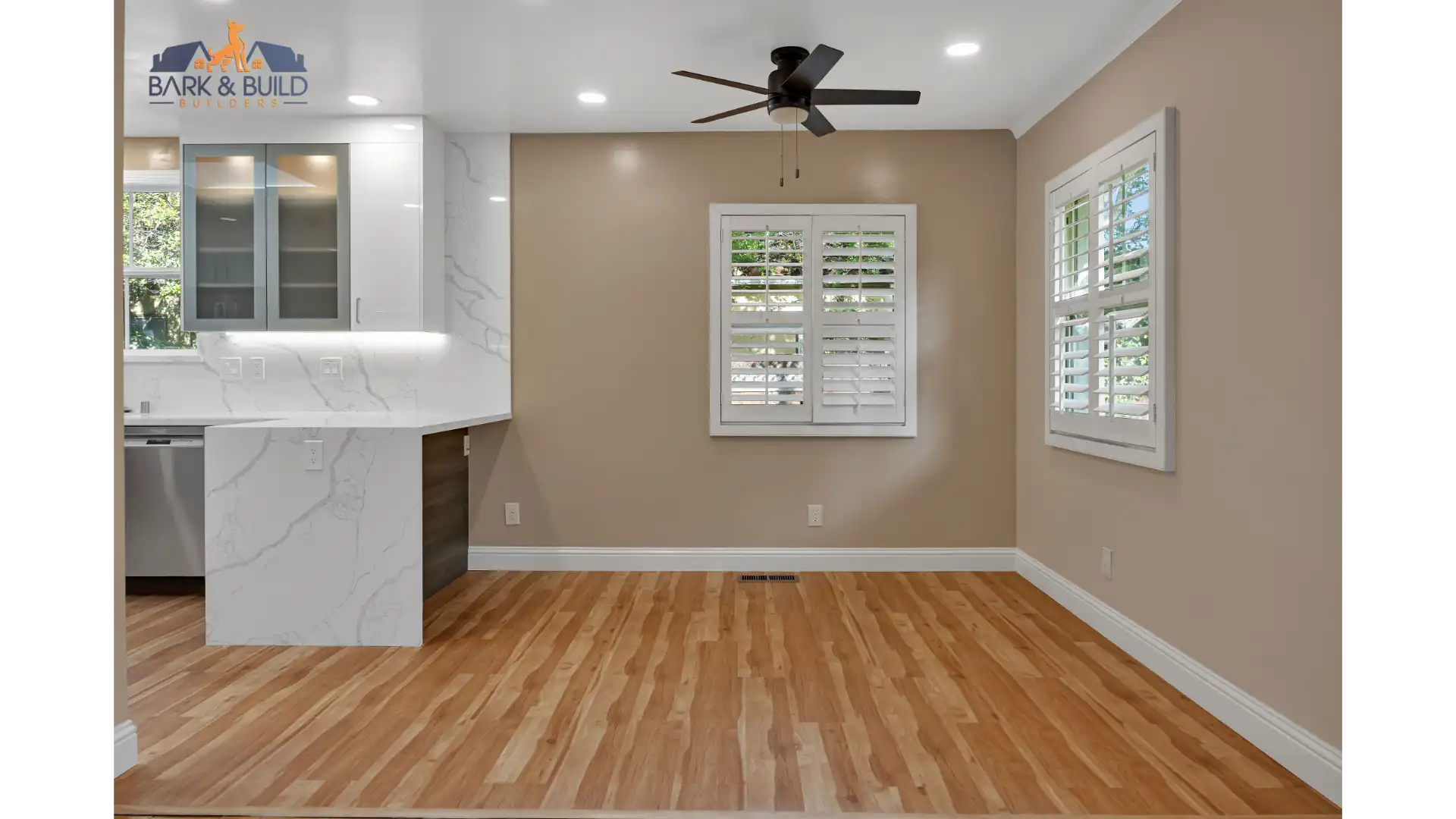
Operating across Redwood City and the broader San Mateo County area, we constantly encounter the geometric conflict between modern lifestyle desires and the rigid, compartmentalized layouts of legacy housing stock. Whether you own a 1920s historic property in the Mount Carmel district or a standard mid-century tract home near Woodside Plaza, these houses were originally engineered with isolated, cramped galley kitchens.
However, forcing a massive entertainer's layout into a 1950s footprint requires aggressive structural intervention. The interior partitions that divide your current kitchen from your living room almost always carry the vertical loads of the ceiling joists and roof. You cannot achieve your desired aesthetic simply by purchasing new cabinets; you have to fundamentally alter the house's skeleton.
As a local business owner, I have seen homeowners waste thousands of dollars on cosmetic updates that ultimately fail to fix the room's claustrophobic flow. We address this by first focusing on the structure's geometry. We analyze existing load paths, assess the condition of original framing, and design a strategic plan to safely remove those physical barriers.
Industry Warning
Why Independent Architectural Plans Fail in the Peninsula
There is a dangerous disconnect in the standard residential construction industry: independent designers draw concepts, and separate contractors are left to figure out how to build them. We frequently receive phone calls from homeowners who paid an independent architect tens of thousands of dollars for a beautiful set of plans, only to discover that the design is completely unbuildable within their actual budget.
Independent designers rarely factor in the hard costs of rerouting a main plumbing stack or the extreme labor required for a complex structural steel installation. They draw an aesthetic vision, hand over the paper, and leave the homeowner to navigate the financial fallout when the general contractor bids the project at twice the expected cost.
Our Solution
The Necessity of a Pre-Construction Feasibility Study
We completely bridge this dangerous gap through our unified design-build methodology. Before we finalize any architectural drawings, our team conducts a rigorous feasibility study. We send our lead builders and engineers to your property to physically inspect the crawlspace, map the electrical panel capacity, and verify the direction of the floor joists.
Because the people designing your kitchen are the same people building it, every aesthetic decision is immediately checked against absolute engineering reality. If a proposed island location requires trenching through a post-tension concrete slab, our estimators flag the cost immediately — and we pivot the design to achieve the same visual impact without triggering a massive unnecessary expenditure.
Structural Engineering
Engineering the Load-Bearing Wall Removal
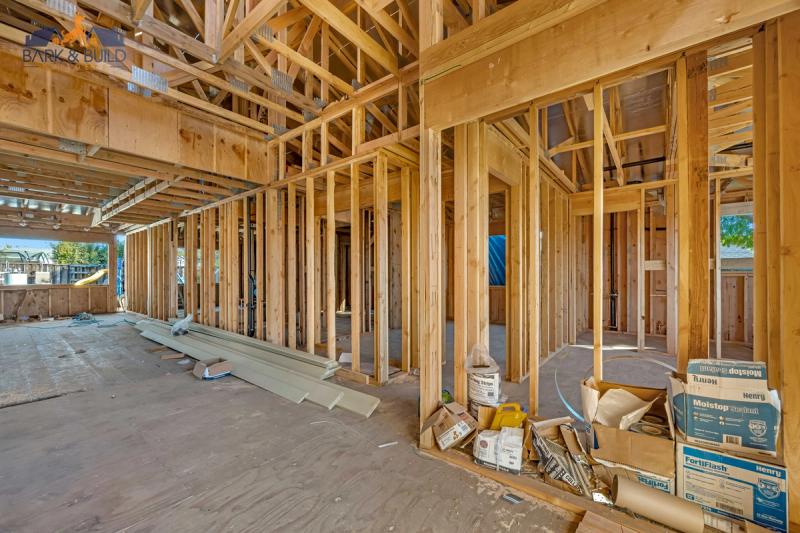
Transforming a closed-off 1960s floor plan into a sprawling, modern environment almost always requires load-bearing wall removal. This is a highly technical procedure that carries massive liability if executed incorrectly. The walls dividing your kitchen from your living space are actively transferring thousands of pounds of roof and ceiling weight down to the home's foundation.
We do not guess on structural loads. We bring in our in-house structural engineering team to calculate the exact weight currently resting on the partition. Once the mathematical loads are calculated, we specify the exact structural header required — custom-fabricated steel I-beams or engineered Laminated Veneer Lumber (LVL) beams.
But installing the beam is only half the equation. The load must be transferred safely down through new king and jack studs and directly into the foundation. If your home sits on a raised foundation over a crawlspace, we often pour new concrete footings to support the concentrated loads. We manage this entire structural operation internally, ensuring your home's skeleton remains absolutely rigid while delivering the wide-open architecture you expect.
Advanced Visualization
Visualizing the Floorplan Flow with Advanced 3D Rendering
Looking at flat, two-dimensional blueprints is incredibly difficult for most homeowners. A standard line drawing fails to communicate how the natural light will hit the countertops at 8:00 AM or whether the space between the island and the refrigerator will feel too tight when two people are cooking.
We eliminate this uncertainty by deploying advanced 3D rendering technology during the design phase. We build a complete, millimeter-accurate digital twin of your proposed kitchen, allowing you to virtually walk through the space before a single construction material contract is signed.
We map the floorplan flow, visually tracking the walking paths to ensure doors and drawers can open fully without colliding. If you are unsure whether to choose a dark walnut cabinet finish or a lighter white oak, we can instantly swap the materials in the rendering. This immersive visualization process guarantees that you are absolutely confident in every aesthetic and spatial decision before we initiate demolition.
Case Study — Mount Carmel Bungalow
Reimagining a 1920s Craftsman: Doubling the Kitchen Without Expanding the Footprint
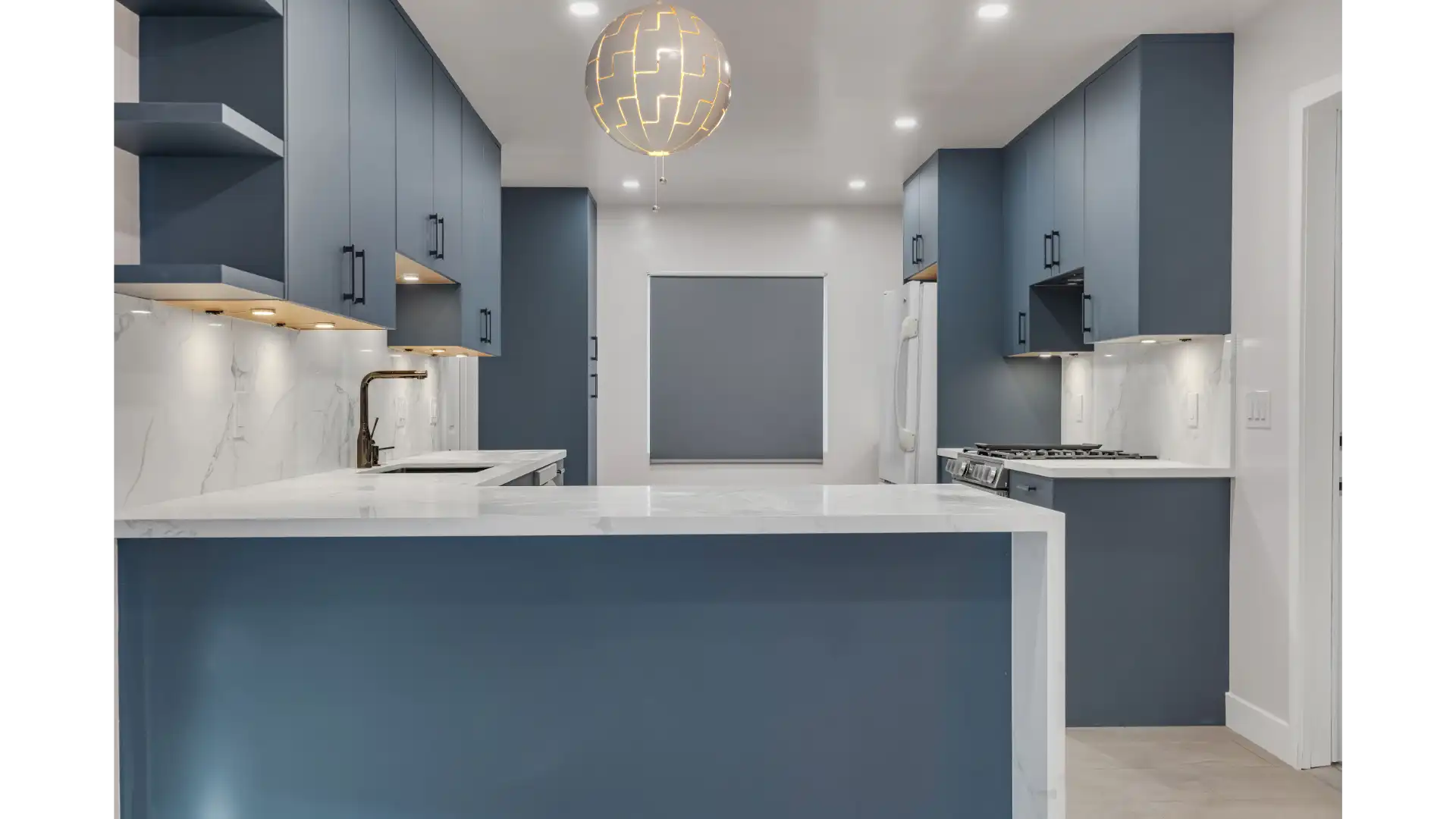
The clients owned a beautiful 1920s Craftsman bungalow, but the kitchen was a dark, isolated box measuring just 110 square feet. Strict historic preservation guidelines and a maxed-out lot meant an exterior addition was legally impossible.
From the Field
Engineering Square Footage From Within
I walked the property with our lead architect, and we identified a heavily underutilized formal dining room separated from the kitchen by a thick, lath-and-plaster structural wall. We engineered a plan to remove the dividing wall entirely and insert a 16-foot LVL beam, hidden flush within the ceiling cavity.
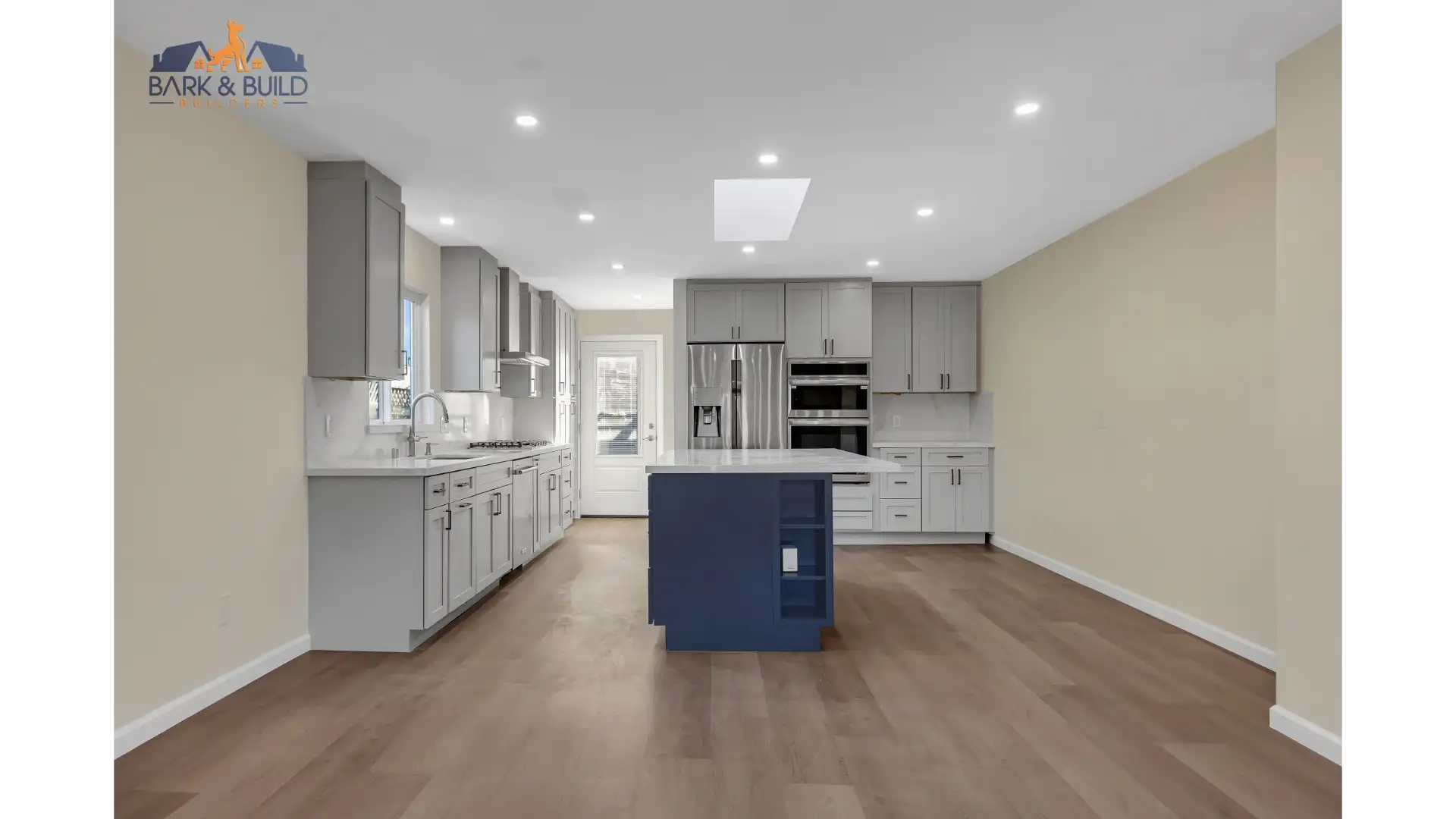
By absorbing the dining room into the kitchen's footprint, we nearly doubled the functional workspace without expanding the home's exterior envelope. We optimized the layout, placing a custom 9-foot island directly under the new structural span, which served as both the primary prep zone and the new casual dining area.
Because we handled the structural calculations and the historic permit filings simultaneously, the project sailed through the Redwood City building department. The clients received the sprawling, highly functional kitchen they dreamed of — all while strictly preserving the cherished historical curb appeal of their classic bungalow.
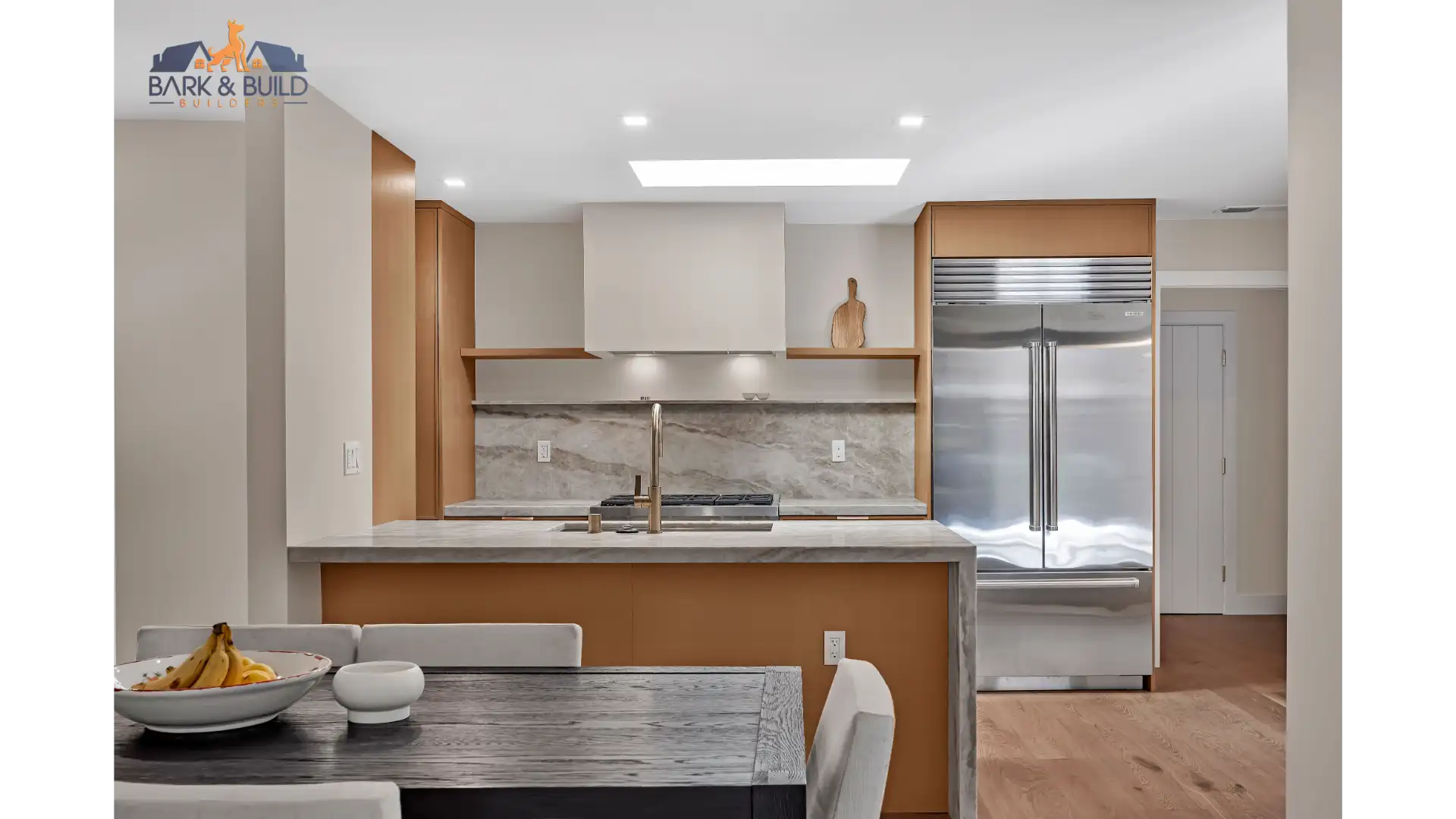
The clients received the sprawling, highly functional kitchen they dreamed of — all while strictly preserving the cherished historical curb appeal of their classic bungalow. We nearly doubled the workspace without adding a single square foot to the exterior footprint.Owner — Bark & Build Builders, CSLB #1119304
Interior Reallocation
Achieving Open-Concept Flow Even If Your Lot is Maxed Out
A major misconception among Bay Area homeowners is the belief that gaining a larger kitchen requires pouring a new foundation and building an expensive exterior addition. In many Peninsula cities, strict zoning laws make lateral additions completely unfeasible.
Even if your property boundaries are fully utilized, we can achieve an expansive open-concept design by intelligently reallocating your existing interior square footage. Older homes are full of wasted space — oversized hallways, redundant coat closets, and formal dining rooms used twice a year. We aggressively analyze your entire ground-floor footprint to identify these dead zones.
Ergonomic Design
Optimizing the Work Triangle
Once we have claimed that underutilized square footage by removing interior partitions, we focus intensely on the ergonomics of the new space. We prioritize optimizing the work triangle — the critical walking path between your refrigerator, your primary sink, and your cooking surface.
If these three elements are spaced too far apart, cooking becomes an exhausting chore; if they are too close, the kitchen feels cramped. We calibrate this triangle to the exact inch, ensuring that your pivot from the prep sink to the induction range is highly efficient. We deliver the functionality of a massive kitchen addition entirely within your home's original footprint.
Regulatory Navigation
Navigating Redwood City's Residential Design Guidelines
Designing a kitchen expansion in Redwood City is not a purely creative exercise; it is a heavily regulated legal process. The city enforces strict residential design guidelines that govern building massing, structural alterations, and window placements. If an independent designer submits a plan that violates municipal daylight plane restrictions or alters an exterior wall without the required shear calculations, the city will immediately reject the permit application.
We insulate our clients from this bureaucratic gridlock. Every layout and structural modification we design is proactively cross-referenced against the 2026 California Building Code and Redwood City's specific municipal overlays. If your remodel involves punching new egress windows into an exterior wall, our in-house engineers immediately calculate the required sheer wall reinforcement. By integrating legal compliance checks directly into our space planning, we guarantee designs that pass municipal plan checks on the very first submission.
Site-Specific Design
Adapting to Peninsula Micro-Geographies
The San Francisco Peninsula features incredibly diverse micro-geographies, and a professional architectural design must respond directly to the specific physical orientation of your lot. A kitchen layout that works perfectly for a flat, sun-drenched property near the Port of Redwood City will fail miserably on a heavily shaded, sloped lot in Emerald Hills or Woodside.
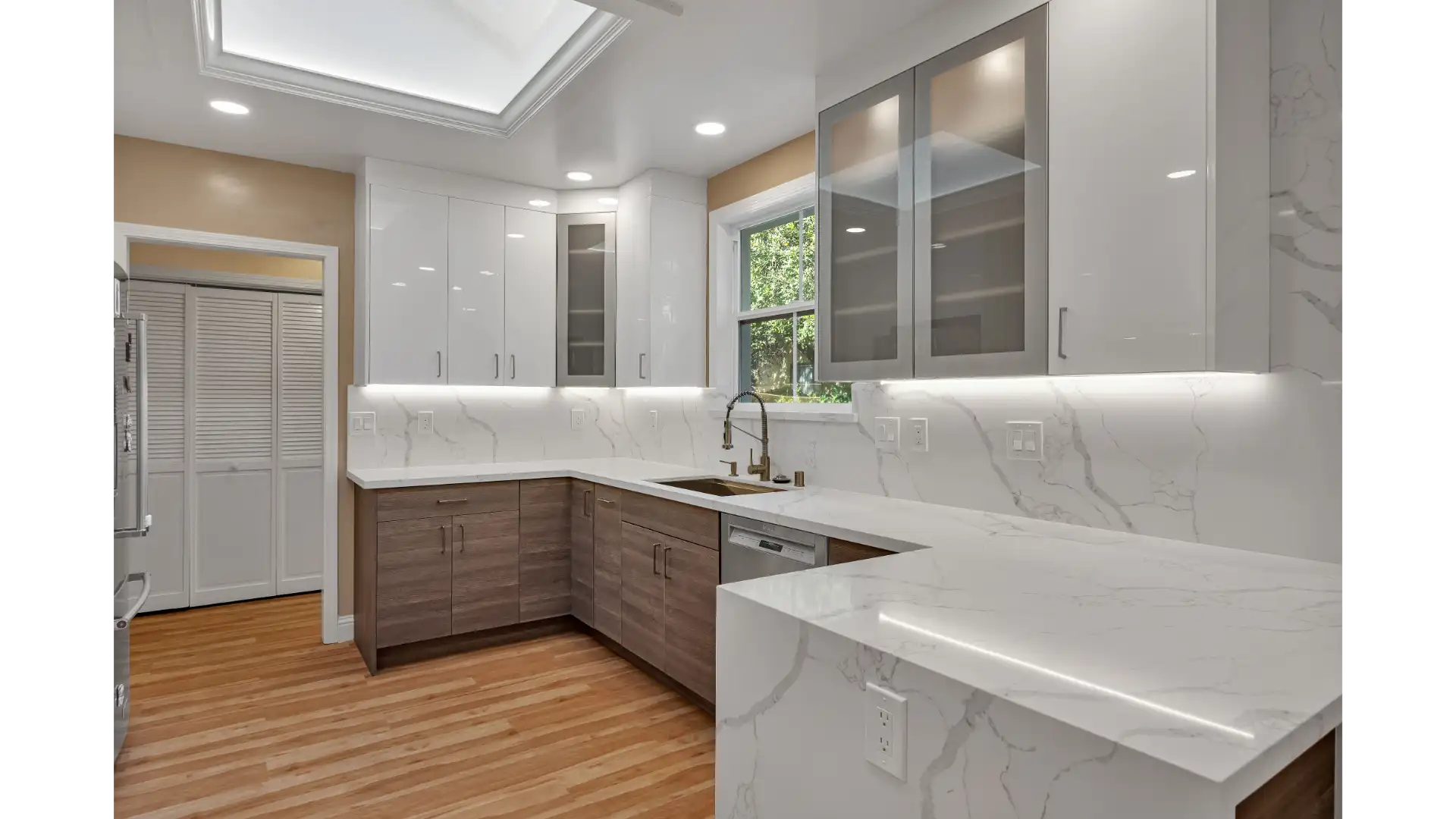
For hillside properties surrounded by mature tree canopies, we aggressively track the sun's trajectory across the lot and strategically position primary prep zones directly under new high-performance skylights or expanded window banks to capture maximum ambient daylight. For homes in the denser, flatter grid neighborhoods, privacy becomes the primary design constraint — we utilize clerestory windows placed high on the wall to flood the kitchen with natural light without exposing the interior to neighboring properties just a few feet away.
Budget Protection
The Hidden Costs of Poor Space Planning
The most expensive mistakes in a kitchen remodel are the ones made on paper before the construction crew arrives. Poor space planning frequently ignores the hard realities of plumbing and electrical infrastructure. A designer might draw a beautiful new sink location on an exterior wall without realizing it lacks the physical depth needed to accommodate a 2-inch ABS waste line and the required vertical vent stack.
When the plumber arrives and discovers the error, the homeowner is hit with a massive change order to either frame out a thicker false wall or completely trench the concrete slab to find a new route.
Our Methodology
Aligning Aesthetic Ambition with Budgetary Reality
We eliminate these disastrous hidden costs through exhaustive pre-construction mapping. During our 3D space planning phase, we do not just draw the cabinets; we map the entire MEP (Mechanical, Electrical, and Plumbing) infrastructure hidden behind them.
We verify exactly where the new 240-volt circuit for the induction range will run, and we calculate the precise ducting route required for the high-CFM range hood to vent safely to the exterior. By identifying and solving these complex infrastructural collisions in the digital model, we prevent them from becoming expensive emergencies on the actual job site.
Precision Integration
Integrating Appliance Specifications into the Initial Layout
Modern luxury kitchens are defined by advanced culinary technology, but integrating heavy-duty, professional-grade appliances requires extreme architectural precision. You cannot simply leave a gap in the cabinetry and hope a massive 48-inch dual-fuel range or a 30-inch integrated refrigeration column slides into place seamlessly. These units require highly specific framing depths, dedicated high-amperage electrical circuits, and precise water line rough-ins.
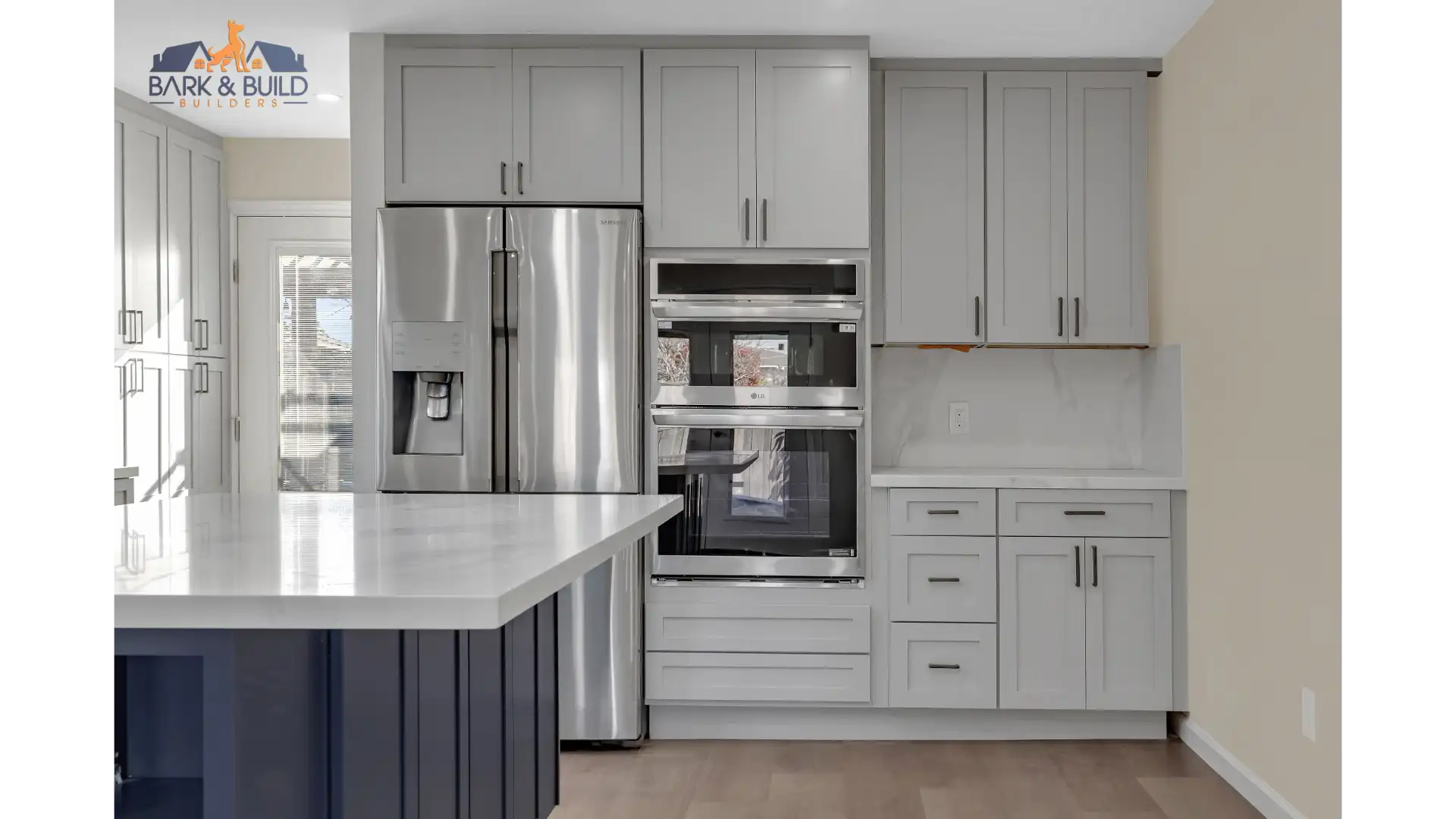
We require our clients to finalize their appliance specifications at the very first stage of space planning. Once we have the manufacturer's technical specification sheets, our architects build the entire structural and cabinetry framework around those exact dimensions. We engineer necessary structural blocking inside the walls for heavy wall-mounted ovens, and route dedicated circuits exactly where the manufacturer dictates. By designing the room from the appliances outward, we guarantee a flawless, perfectly flush installation.
Universal Design
Designing for Multi-Generational Ergonomics
As the housing market remains highly competitive, more Peninsula homeowners are choosing to stay for decades, often to accommodate aging parents. This demands a focus on multi-generational ergonomics. We integrate advanced accessibility features that remain completely invisible to the untrained eye.
We expand standard 36-inch aisle clearances to a minimum of 48 inches, utilize deep heavy-duty drawer banks rather than traditional doors with fixed shelves, and position microwave drawers just below counter height. By embedding these clearances directly into the foundational layout, we deliver a kitchen that functions effortlessly for every generation without sacrificing modern design appeal.
Spatial Psychology
Creating Continuous Sightlines
Making a 200-square-foot kitchen feel like a sprawling estate requires advanced spatial psychology. The goal is to trick the eye by eliminating visual boundaries. We achieve this by designing continuous sightlines that draw the eye completely through the room and out toward the exterior landscape.
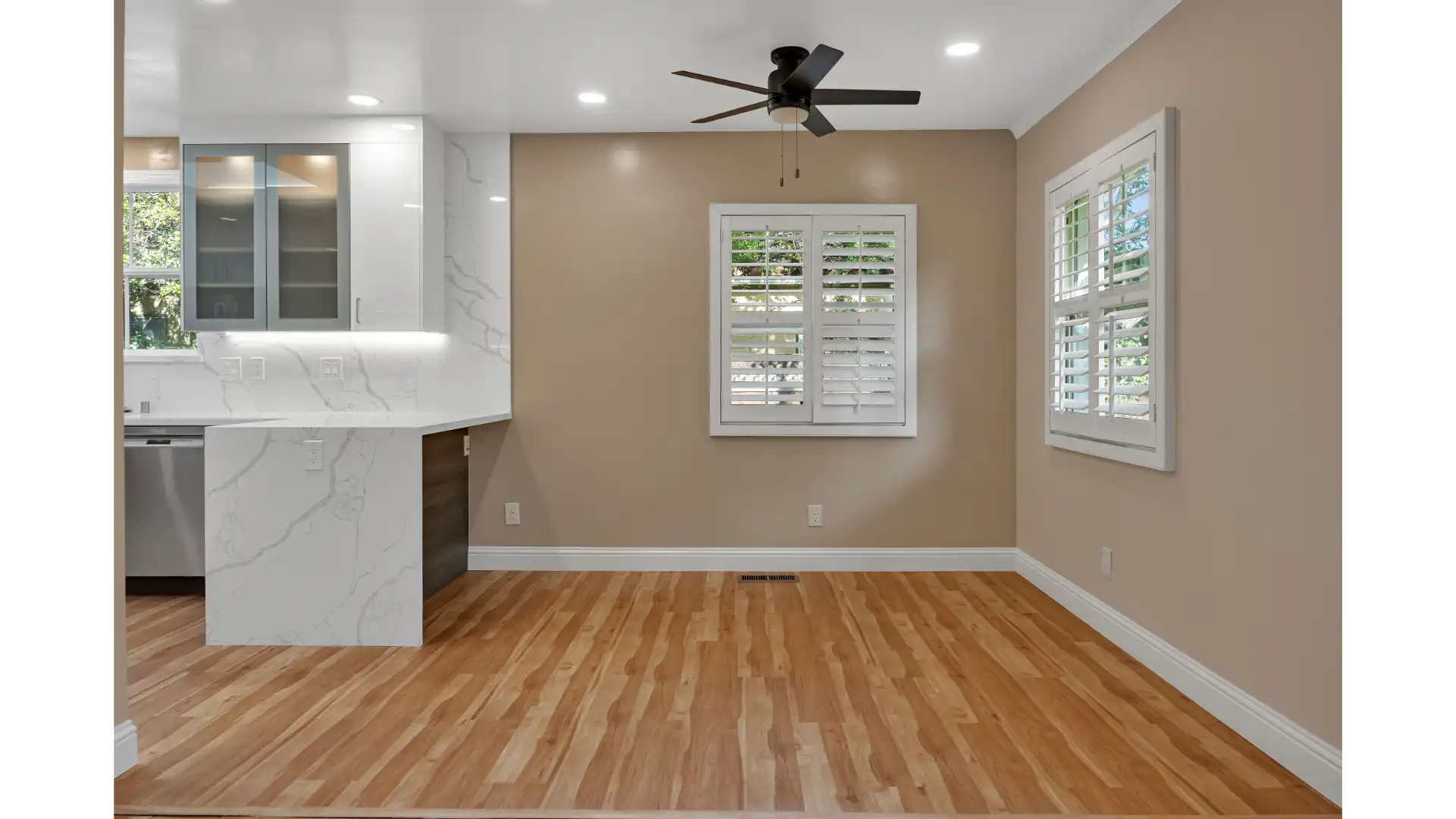
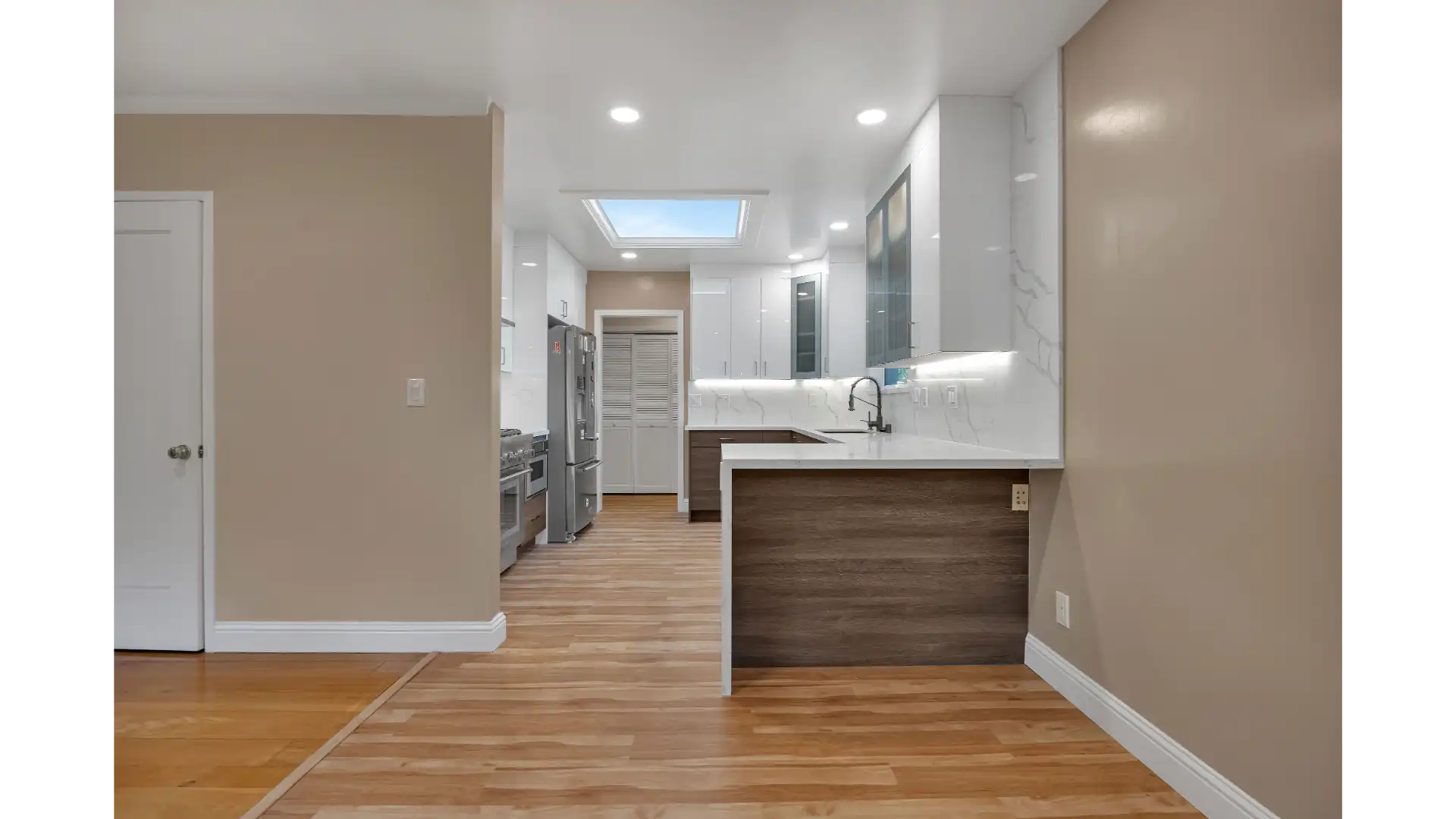
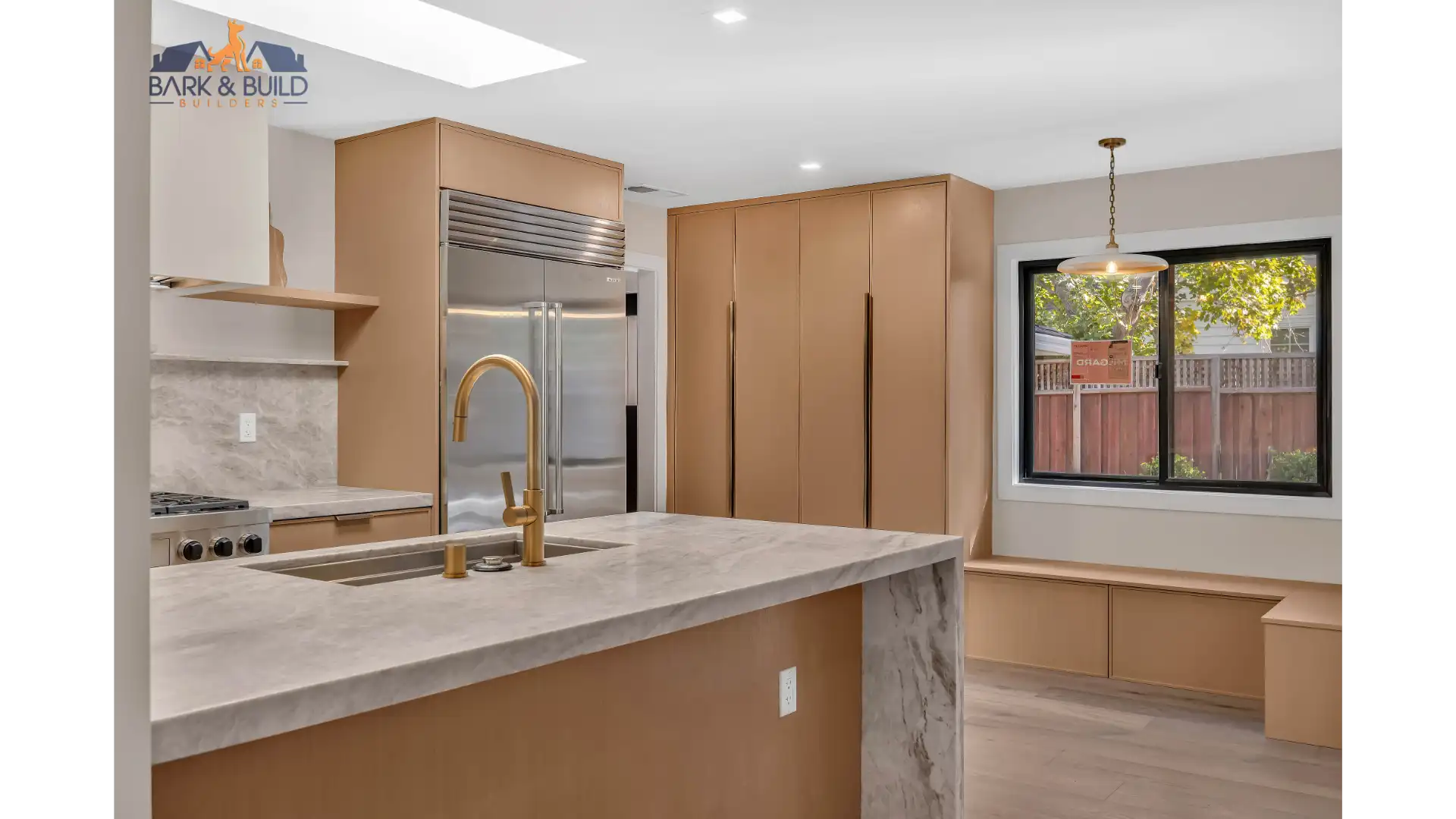
We specify the exact same hardwood flooring from the living room to run continuously into the kitchen, eliminating jarring transition strips. We design cabinetry stretching to the ceiling to emphasize vertical volume. We utilize panel-ready appliances, hiding massive refrigerators behind custom wood faces matching the surrounding millwork. The entire ground floor reads as one massive, unified architectural space.
Design Phases
6–12 Weeks From Initial Consultation to Construction-Ready Blueprints
Weeks 1–3
Feasibility Study & Site Analysis
On-site structural assessment. Crawlspace and attic inspection. Electrical panel capacity mapping. Floor joist direction and load path verification. Existing MEP infrastructure documentation. Feasibility report delivered.
Weeks 4–8
3D Rendering & Design Development
Millimeter-accurate digital twin built. Appliance specifications integrated. Work triangle and floorplan flow optimized. Material selections visualized in-context. Client review and revision cycles. Budget aligned concurrently with design.
Weeks 9–12
Engineering, Permits & Procurement
Structural engineering calculations finalized. Permit documents submitted to Redwood City Building Division. Title 24 energy reports generated. Custom cabinetry and long-lead materials ordered. Construction schedule locked. Demolition date set.
Local Operations
Local Kitchen Design Services Across the Peninsula
Operating a sophisticated design-build firm requires intimate knowledge of the local landscape and the logistical capability to manage complex operations efficiently. Our central dispatch and design hub in Redwood City places us at the strategic center of the San Francisco Peninsula, allowing our architectural designers and structural engineers to deploy rapidly to properties from San Mateo down to Mountain View.
We understand the distinct operational rules of the cities we serve. We know the specific parking constraints near Downtown Redwood City, the strict heritage tree protection ordinances in Menlo Park, and the lot coverage maximums in Atherton. We factor these local realities directly into our project planning and feasibility phases. By maintaining a tight operational radius, we ensure your design phase progresses at an aggressive pace.
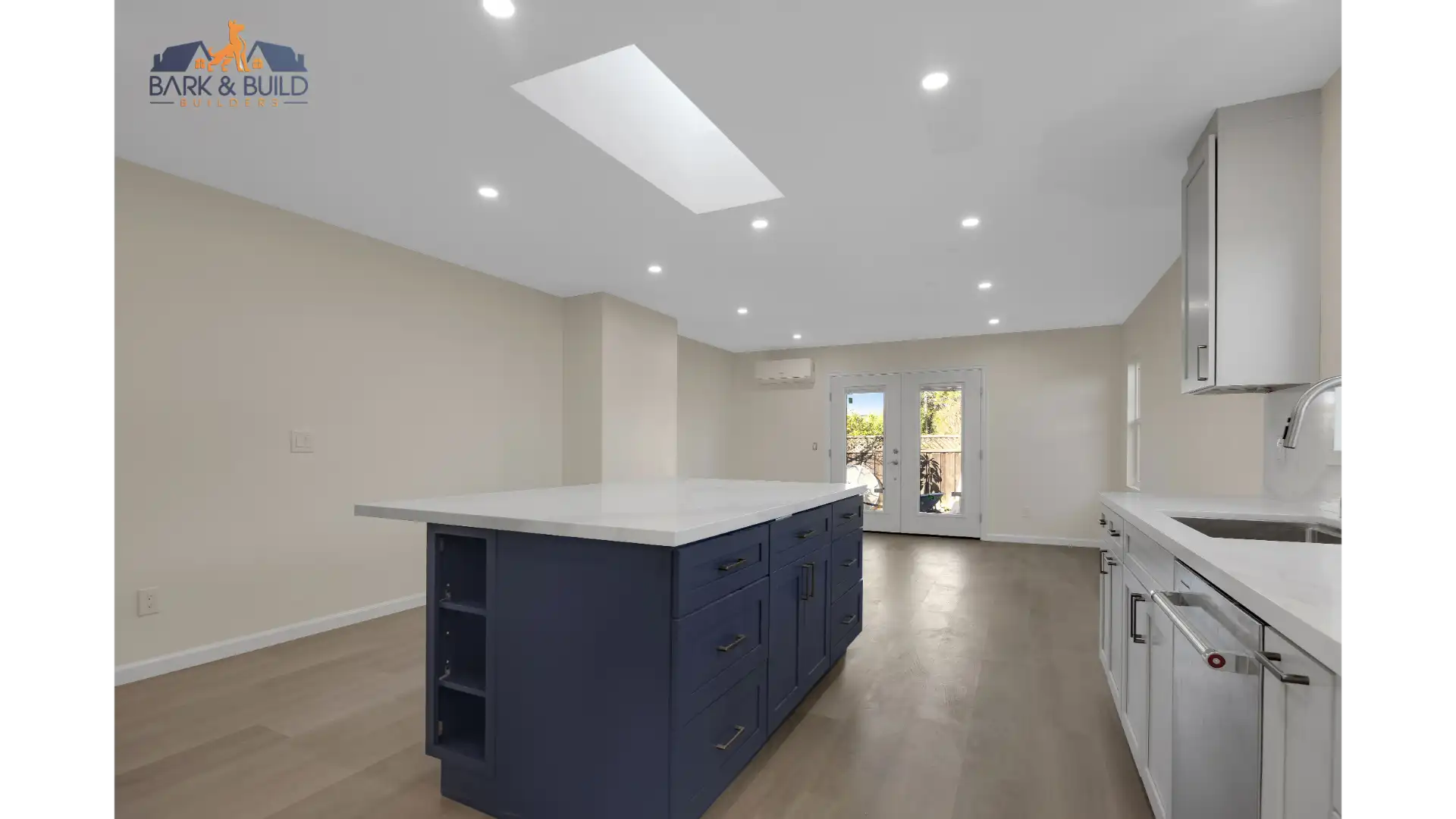
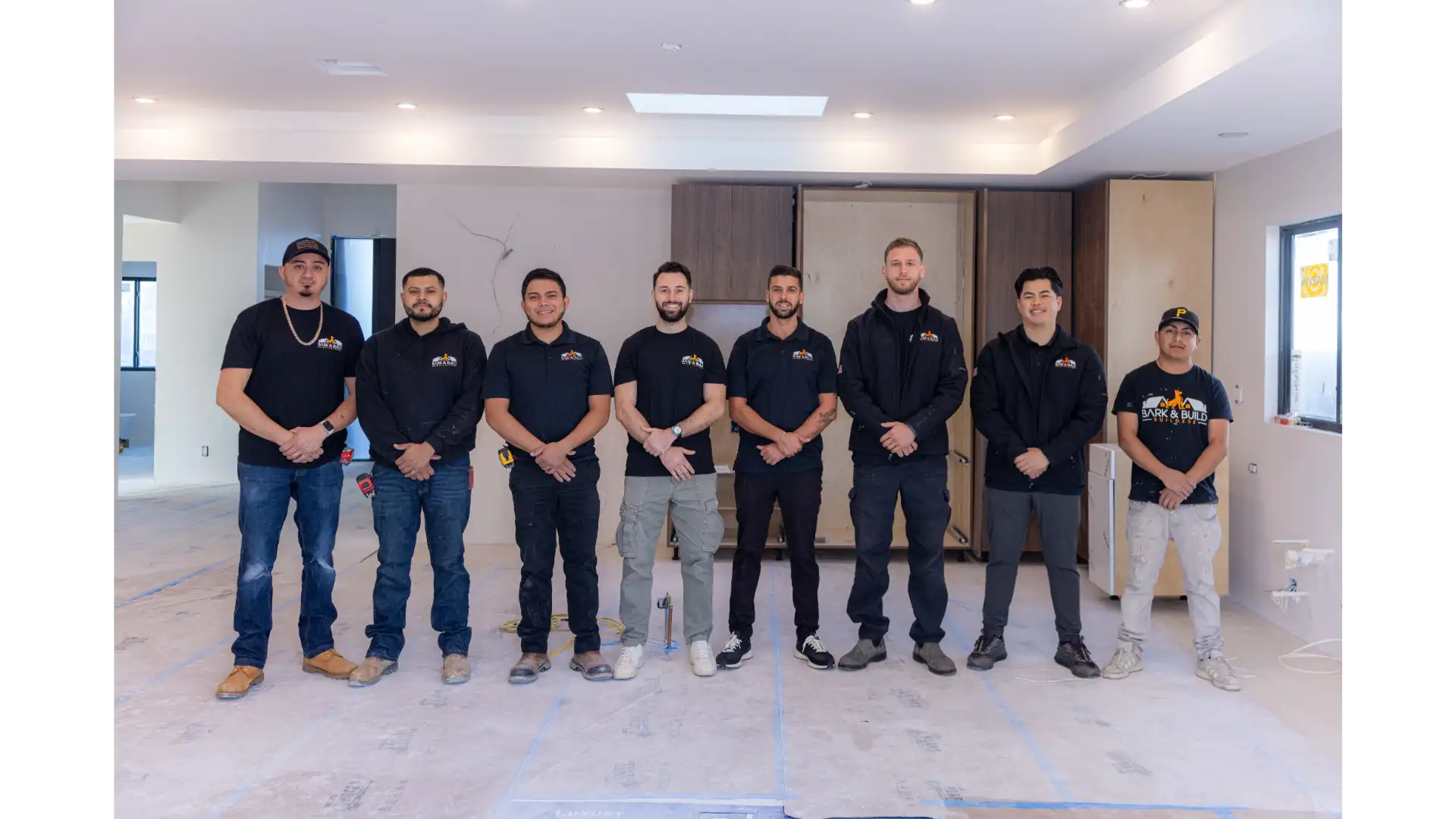
Meet the Design-Build Team
Our architectural designers, structural engineers, and project managers sit at the same table — literally. When we design your kitchen, the people drawing it are the same people who will build it. This unified approach eliminates the unbuildable plans and budget-busting surprises that plague traditional architect-then-contractor models. CSLB License #1119304.
Our Work
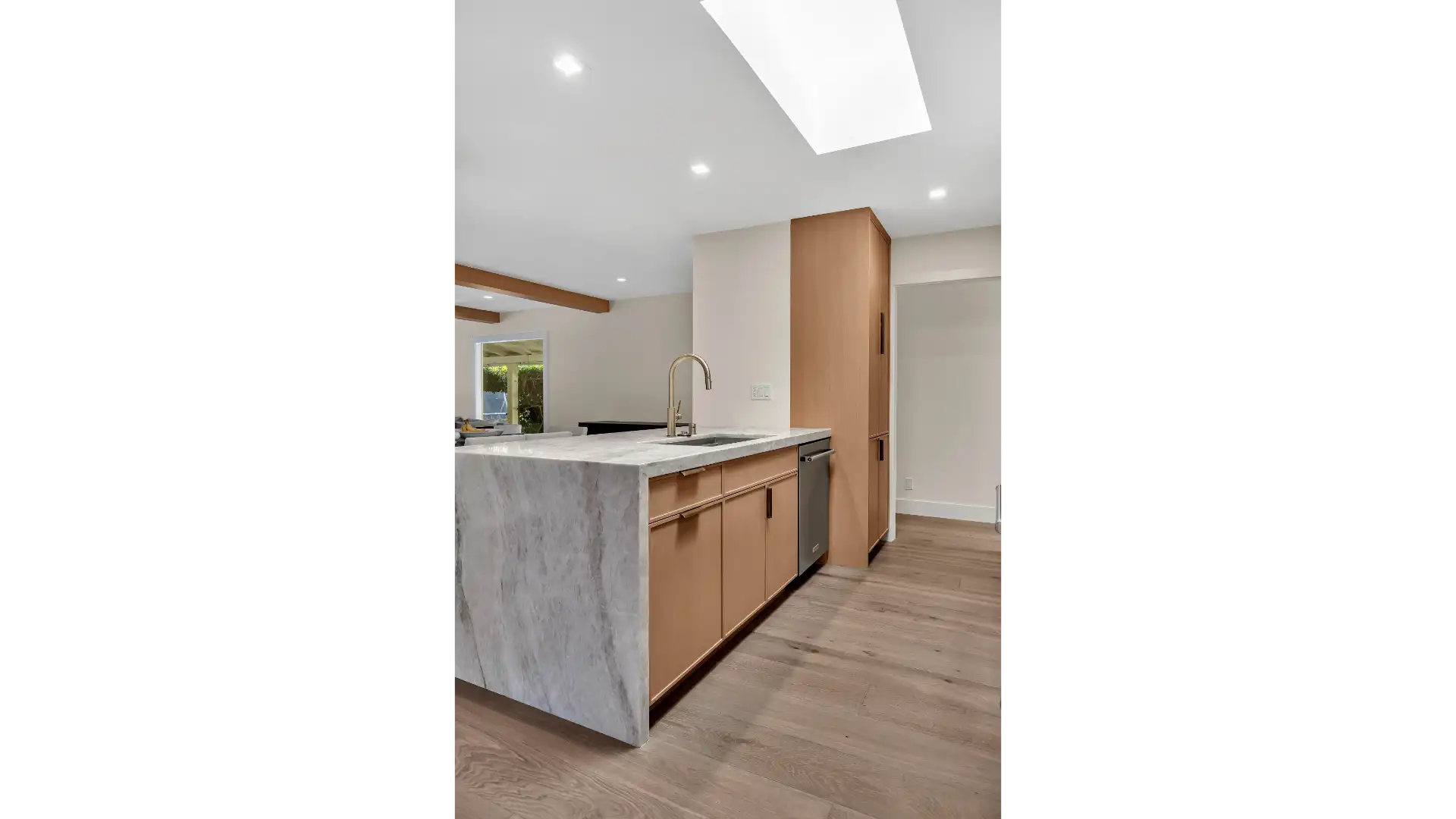
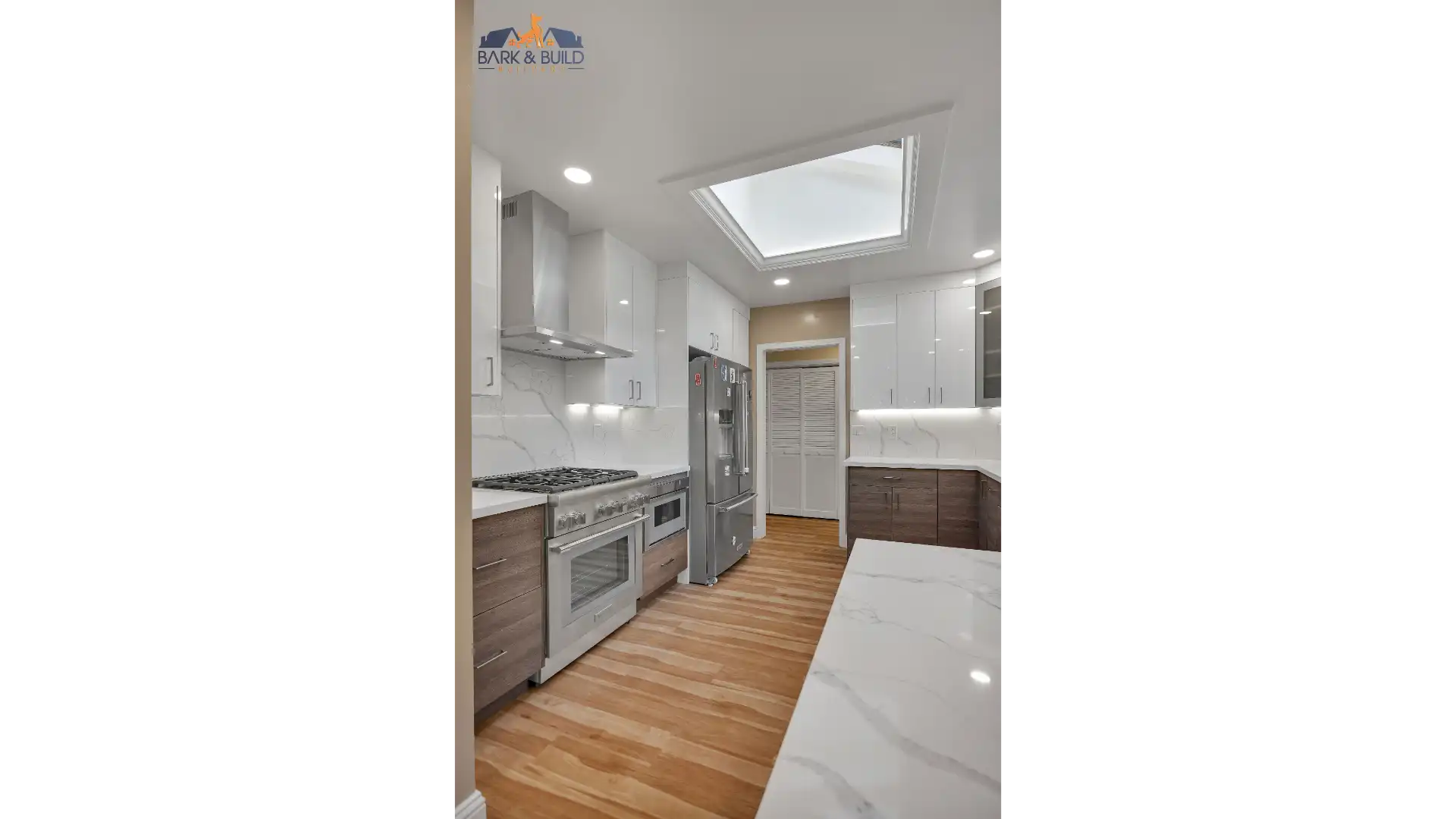
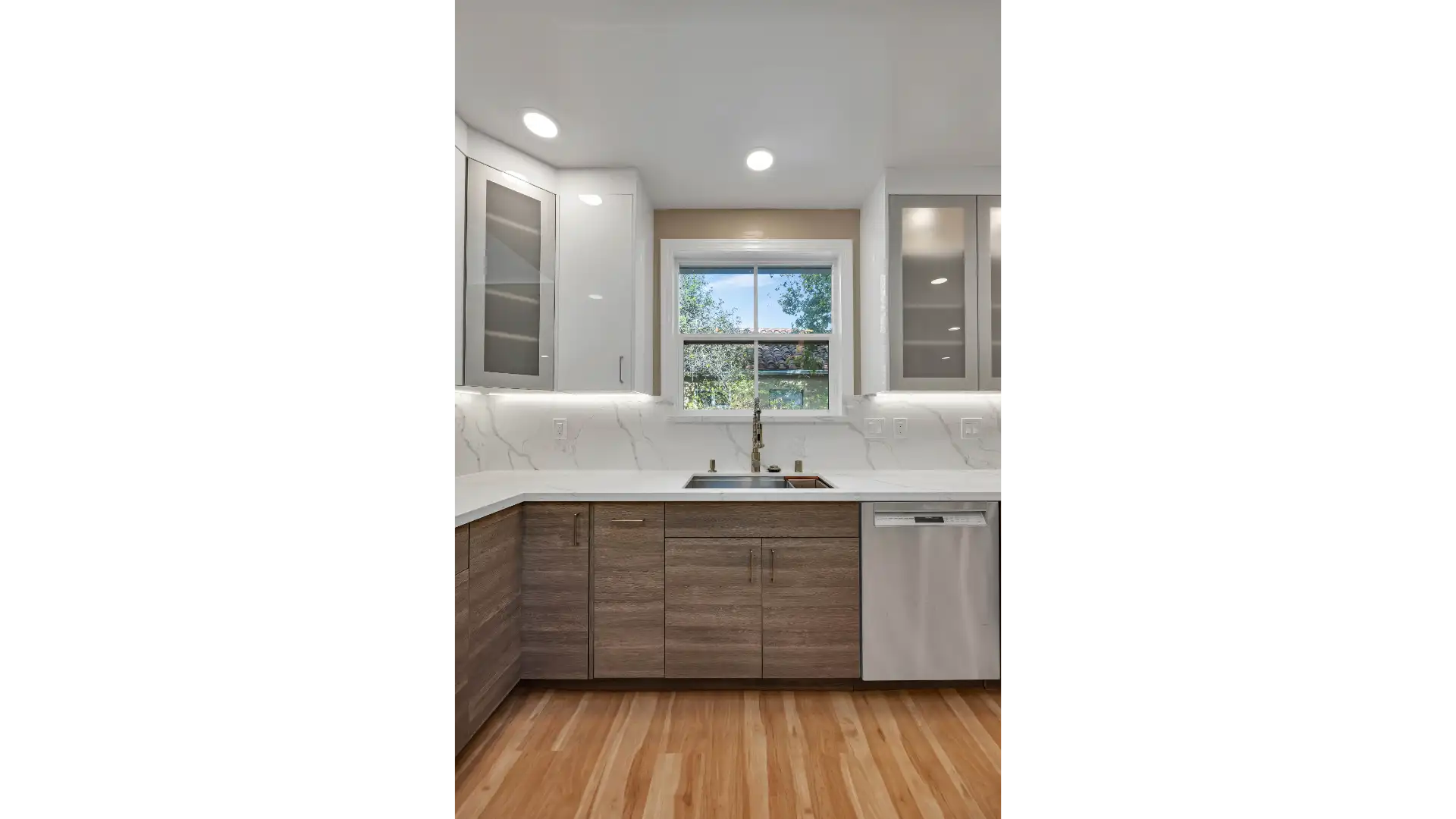
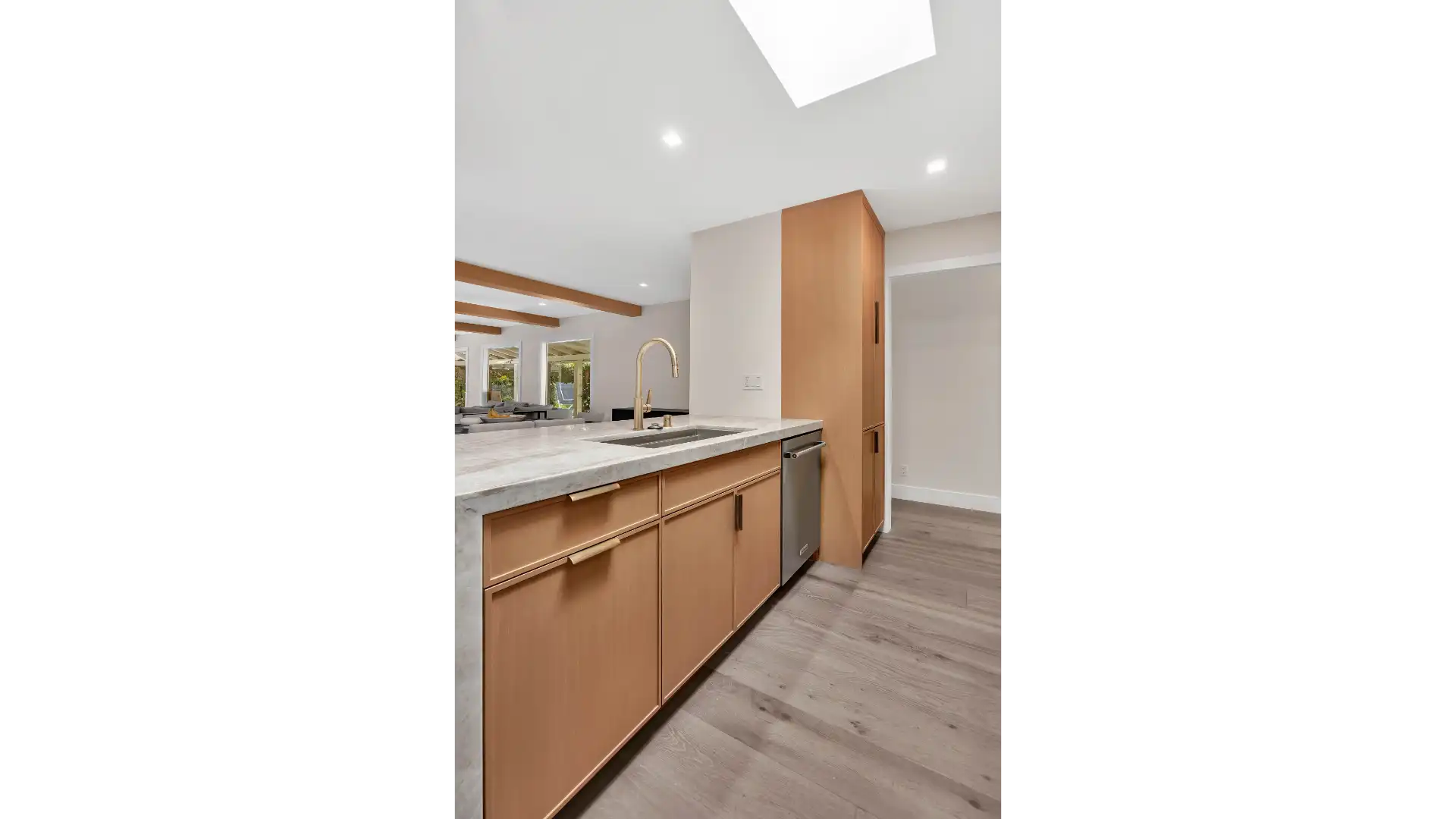
Recent Kitchen Design Projects Across San Mateo County
CSLB License #1119304
Schedule Your Complimentary Project Discovery & Design Session
Your home is your most valuable financial asset, and altering its structure requires a partner capable of executing complex engineering and high-end architectural design with absolute certainty. The era of paying for unbuildable architectural sketches is over. Contact our team today.
Common Questions
FAQ: Kitchen Design & Space Planning
How much does custom kitchen design and space planning cost in Redwood City?
The average cost for professional custom kitchen design and space planning in Redwood City ranges from $8,000 to $15,000 for mid-range to high-end projects. Pricing shifts based on the complexity of your property's architecture and the scope of required structural alterations. This investment covers a comprehensive feasibility study, exact appliance specifications, and full 3D rendering to ensure your remodel is perfectly engineered before construction begins.
What is the price difference between removing a load-bearing wall and keeping the existing layout?
Removing a load-bearing wall typically adds $15,000 to $30,000 to a kitchen renovation budget in the Bay Area. This accounts for the required structural engineering, procurement of custom steel I-beams or LVL beams, and potential foundation underpinning. While keeping the existing footprint is more cost-effective, executing a load-bearing wall removal is often the only way to achieve true open-concept flow in compartmentalized mid-century homes.
How long does the architectural design and feasibility phase take?
It takes 6 to 12 weeks to complete the architectural design, engineering, and feasibility phase for a custom kitchen remodel. This includes creating the initial 3D rendering, finalizing high-end material selections, and generating necessary as-built drawings. By front-loading the design process with exact measurements and utility routing, we eliminate mid-project delays and secure municipal permits much faster.
How do you handle permits with the Redwood City Building Division?
Our in-house team handles 100% of the permitting and inspection process directly with the Redwood City Building Division. Structural alterations require rigorous plan checks to ensure compliance with the 2026 California Building Code. We proactively submit structural engineering calculations, architectural drawings, and Title 24 energy reports to the city planners, preventing rejections and keeping your construction schedule on track.
Do you service historic homes in the Mount Carmel neighborhood?
Yes, we specialize in custom kitchen design and space planning for historic homes in the Mount Carmel neighborhood. Renovating these 1920s bungalows requires strict adherence to Redwood City's residential design guidelines to preserve their historic exterior charm. We expertly navigate the Historic Resources Advisory Committee reviews while completely modernizing the interior work triangle and sightlines.
What is the average ROI of an open-concept kitchen remodel in Redwood City?
The average ROI for a professionally designed, open-concept kitchen remodel in Redwood City is between 70% and 85%. In highly competitive Peninsula real estate markets, buyers expect optimized floorplan flow and modern luxury finishes. By executing a strategic load-bearing wall removal and integrating premium smart appliances, you dramatically increase the property's resale value and overall buyer appeal.
Why do you recommend a design-build feasibility study over a free retail cabinet design?
A design-build feasibility study guarantees structural viability, whereas a free retail cabinet design only provides a basic cosmetic layout. Big-box store designers do not evaluate your home's MEP infrastructure or structural engineering constraints. Our comprehensive assessment flags hidden costs — such as undersized electrical panels or required HVAC rerouting — before demolition begins, protecting you from massive change orders.
Is a free estimate included with my kitchen design appointment?
We provide a high-value Complimentary Project Discovery & Design Session instead of a basic free estimate. A standard contractor estimate relies on visual guesswork, leading to inaccurate budgets. Our discovery session includes an expert evaluation of your sightlines, existing load paths, and potential floorplan flow — delivering actionable architectural insights that represent hundreds of dollars in professional value.