Loading...
Whole-Home Remodeling — Redwood City & San Mateo County
Reconstruct Your Peninsula Estate in 3 to 6 Months Without the Paralysis of Municipal Gridlock
We combine executive-level project management with AB 253 expedited permitting to deliver high-end renovations that meet your timeline. Bark and Build Builders executes comprehensive, down-to-the-studs residential renovations in Redwood City — managing total property reconstruction, complete MEP infrastructure replacement, and advanced structural re-engineering for affluent homeowners across the Peninsula.
The Peninsula Challenge
Confronting Redwood City's Geotechnical and Bureaucratic Realities
Executing a massive construction project in San Mateo County requires confronting two distinct obstacles before demolition even begins: highly variable geotechnical conditions and a multi-departmental bureaucratic maze. Properties located near the shoreline or the Port of Redwood City frequently sit upon Holocene Bay Mud — a highly compressible silty clay that causes extreme differential settlement, severely compromising the structural integrity of aging foundations over decades.
Simultaneously, homeowners must navigate Redwood City's intense municipal oversight. A project of this magnitude triggers extensive reviews from planning, building, engineering, and fire departments. Discretionary hearings and strict zoning overlays routinely trap unprepared contractors in months of administrative gridlock.
We operate with a different methodology. We confront these realities head-on during our pre-construction feasibility phase, procuring site-specific geotechnical soil reports and engaging directly with city planners. By anticipating the geotechnical hazards of your exact lot and mapping the entire bureaucratic pathway upfront, we protect your timeline and your capital from paralyzing delays.
Industry Problem
The Liability of Disorganized Subcontractor Sequencing
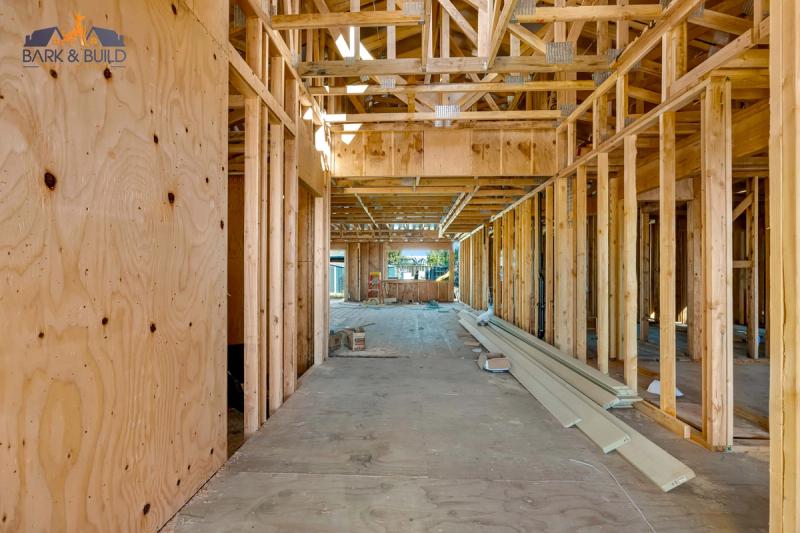
The most common failure point in large-scale residential construction is the reliance on a fragmented, disorganized subcontractor pool. In the traditional bid model, independent plumbers, electricians, framers, and drywallers do not communicate. They prioritize their own schedules over the holistic success of your project.
This leads to catastrophic sequencing failures on the job site. A framing crew might close up a wall before the electrical contractor has pulled their wire, or the HVAC technician might cut through a critical structural joist to force a duct into place. You are left managing a disjointed group of laborers instead of enjoying the renovation process.
Our Solution
Deploying Executive-Level Project Management
We eliminate this chaos through centralized, executive-level project management. Operating as a unified design-build firm, we sequence every single phase of the build before demolition begins. Our site supervisors maintain absolute control over the job site, coordinating the exact daily movements of our in-house tradesmen.
We utilize advanced scheduling software and rigorous daily site audits to ensure that the framing, mechanical, electrical, and plumbing rough-ins occur in a precise, logical order. If a material delay threatens the schedule, our management team immediately reallocates resources to keep the project moving forward. This corporate-level oversight guarantees absolute precision.
Structural Engineering
Establishing a Rigid Foundation on Peninsula Bay Mud
A frequent concern we hear from homeowners acquiring older Peninsula properties is the fear that their home is structurally compromised beyond repair. They notice sloping floors, severe diagonal cracks radiating from door frames, or doors that refuse to latch. Even if your 1940s home has suffered from decades of differential settlement due to unstable local soils, we have the engineering capability to correct the skeleton.
Our structural engineering team evaluates the exact cause of the movement. Depending on the severity and soil profile, we design custom remediation strategies — often involving targeted underpinning, in which we drive steel push piers or helical piers deep into the load-bearing strata beneath the active clay layers, permanently stabilizing and lifting the foundation back to a level plane.
Once the base is secure, we address the compromised framing above. We replace twisted joists, install heavy-duty steel I-beams, and re-level the entire floor system. By definitively solving the underlying geotechnical failure, we create a perfectly rigid platform for your renovation.
Case Study — Edgewood Park
Defeating Permitting Delays: 8 Months of Municipal Gridlock Resolved
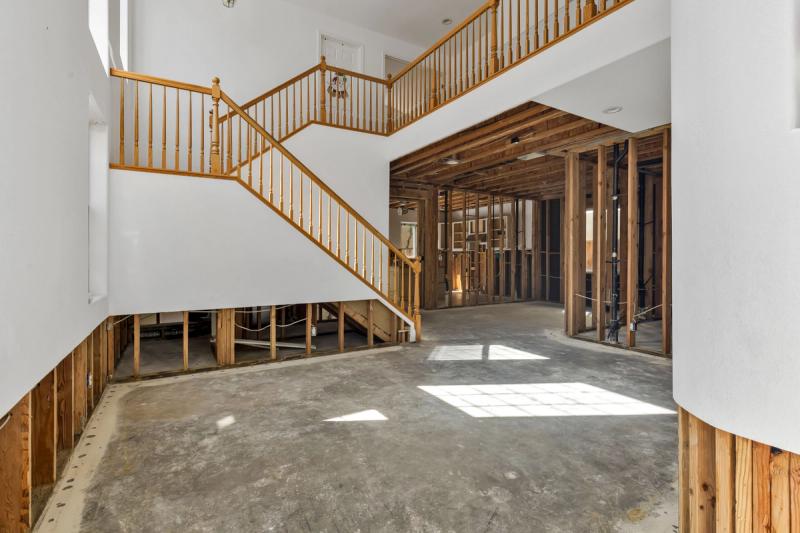
We took over a massive project after the client's previous architect spent eight months stuck in the municipal plan-check process. The city's building department was severely backlogged, and the project was trapped in an endless cycle of minor correction notices.
AB 253 in Action
Leveraging State Law to Force the Issue
The homeowners were bleeding capital on holding costs for a vacant property, frustrated by a process that felt entirely out of their control. When my team audited the file, we realized we needed to change the regulatory strategy entirely.
Instead of waiting on the overburdened municipal desk, we invoked our rights under the California Residential Private Permitting Review Act (AB 253). Because the city had failed to complete its plan check review within the statutory 30-day window, we formally notified the building department of our intent to retain an authorized private professional plan checker.
We immediately hired a licensed structural engineer certified for third-party reviews to audit and approve our comprehensive plan set. By submitting the private plan checker's certified report, we forced the city into a mandatory 10-business-day approval window. We had the final building permit in hand shortly after. This is what separates a highly competent building partner from a standard labor crew.
Instead of waiting on the overburdened municipal desk, we invoked AB 253 and had the final building permit in hand within weeks. This is what separates a highly competent building partner from a standard labor crew.Owner — Bark & Build Builders, CSLB #1119304
Total MEP Replacement
Extracting and Replacing Outdated MEP Infrastructure
When executing a total property reconstruction, preserving any part of the original utility systems is a severe misallocation of capital. The homes across Redwood City were constructed during eras with vastly different electrical demands and plumbing standards. Leaving 60-year-old cast iron waste lines or an undersized 100-amp electrical panel inside newly finished walls guarantees future catastrophic failure.
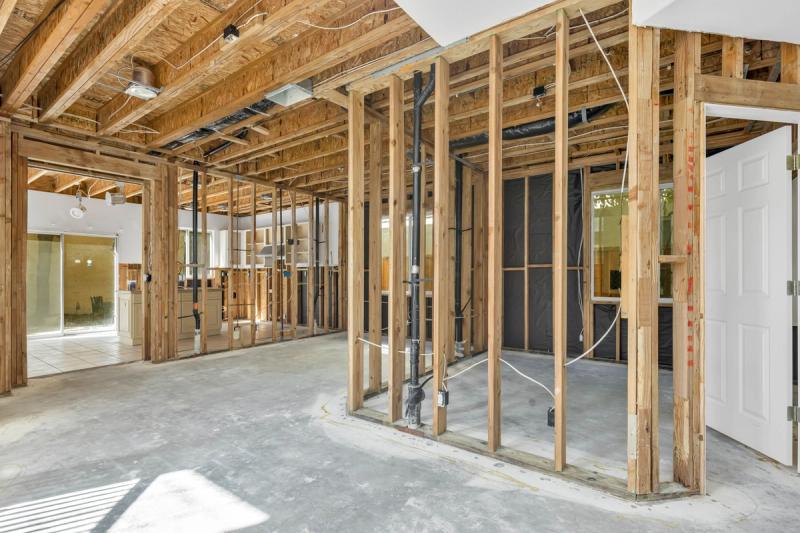
Our mandate during a total remodel is the complete extraction and replacement of the entire MEP infrastructure. We tear out every inch of corroded galvanized piping, brittle cloth-covered wiring, and inefficient leaking ductwork. We replace these liabilities with high-capacity 320-amp electrical services, PEX-A water supply manifolds, and advanced multi-zone HVAC systems designed to handle the exact cubic volume of your newly designed space.
Utilizing As-Built Drawings for Accurate Routing
Our architectural team utilizes laser scanning technology to generate hyper-accurate as-built drawings of the existing structure. We map the exact locations of load-bearing walls, structural columns, and the main sewer lateral tie-in. These measurements allow our engineers to route new utility lines through the framing without compromising structural integrity — eliminating costly mid-project redesigns.
Sustainability
Transitioning to Complete Property Decarbonization
The 2026 building codes place a strong emphasis on reducing fossil fuel dependence. We treat this as an opportunity to execute total property decarbonization. We systematically disconnect the property from the aging municipal gas grid and transition the home to a high-performance, all-electric ecosystem.
We specify and install advanced heat pump technology for both space conditioning and domestic water heating. We transition cooking surfaces to magnetic induction ranges offering faster boil times without releasing harmful indoor air pollutants. We also pre-wire for future solar array integrations and Level 2 electric vehicle charging stations.
Historic Preservation
Modernizing the Interior While Respecting Historic Streetscapes
Homeowners acquiring historic properties in the Mount Carmel district and Edgewood Park want the performance of a modern smart home without destroying the historical soul that makes the neighborhood valuable. We specialize in maintaining the exterior architectural narrative while completely gutting and modernizing the interior volume.
We painstakingly source exterior cladding, stucco textures with a smooth Santa Barbara finish, and custom-milled wood trim to perfectly match the home's original detailing. Inside, however, we remove the cramped, compartmentalized floor plans, introducing massive steel headers to create sprawling, open-concept living spaces.
Thermal Performance
Engineering a Draft-Free Building Envelope
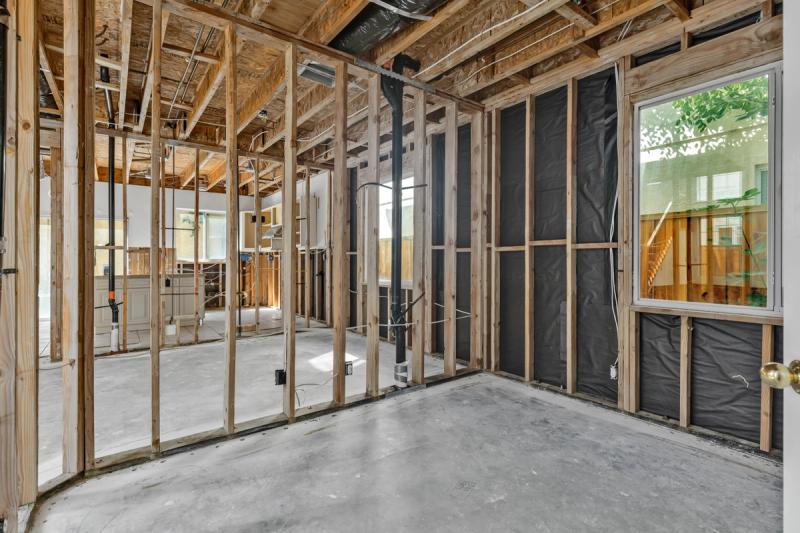
When we strip a home down to the bare studs, our primary objective is to permanently solve comfort issues by completely overhauling the building envelope. We wrap the exterior framing with advanced, vapor-permeable house wraps that block liquid water while allowing trapped moisture to escape. We install specialized multi-pane fenestrations featuring low-emissivity coatings that actively reflect thermal radiation.
Navigating 2026 Title 24 Insulation Mandates
We engineer our envelopes to exceed the minimum Title 24 requirements. Instead of relying solely on standard fiberglass batts, we frequently install closed-cell spray foam insulation in wall cavities and along the underside of the roof deck. This creates a rigid, monolithic air barrier that completely stops the transfer of conditioned air to the outside. The physical result is immediate — the home becomes incredibly quiet, blocking out traffic noise and Caltrain corridors, creating a sanctuary of absolute environmental control.
Earthquake Resilience
Seismic Retrofitting and Foundation Bolting
The Bay Area sits atop a complex network of active fault lines, making earthquake resilience a non-negotiable aspect of any major structural renovation. Many older homes in Redwood City were constructed decades before modern seismic codes, frequently sitting on raised foundations with unbraced cripple walls and unbolted sill plates.
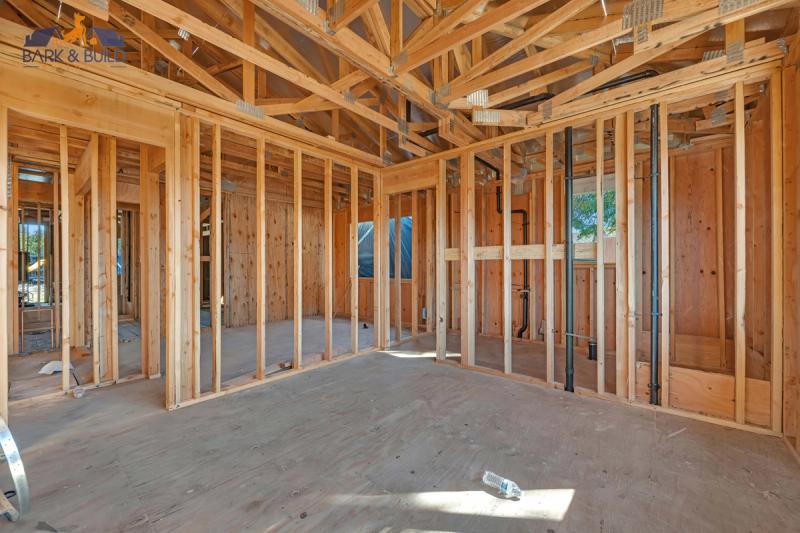
When we take a home down to the studs, the structural skeleton is fully exposed, presenting the most cost-effective opportunity to execute comprehensive seismic retrofitting. We aggressively reinforce the perimeter by installing heavy-duty steel anchor bolts through the existing mudsills directly into the foundation concrete. We clad the cripple walls in thick, structural-grade plywood to create rigid shear panels.
Verifying a Continuous Seismic Load Path
Most importantly, we establish a continuous load path. This involves installing specialized steel tension ties and hold-downs that physically link the roof framing to the wall framing, and the wall framing directly to the foundation. This engineered continuous connection ensures that violent lateral and uplift forces during an earthquake are safely transferred from the top of the house down into the earth.
Expedited Permitting
Utilizing AB 253 to Expedite Municipal Approvals
The timeline of a major renovation is consistently threatened by severe administrative bottlenecks at the local building department. Historically, homeowners were at the mercy of understaffed municipal offices, waiting months for basic structural plan checks. The regulatory landscape shifted drastically with the enactment of AB 253, the California Residential Private Permitting Review Act.
AB 253 imposes a strict timeline on local building departments. If a city fails to complete its plan check review within 30 days, we have the statutory right to bypass its desk entirely and retain a licensed, private professional plan checker to review and approve the construction documents. Once our private engineer certifies the plans, the city is legally forced to issue the building permit within 10 business days.
By proactively integrating the AB 253 framework into our pre-construction timeline, we eliminate the uncertainty of municipal delays — keeping your project advancing on schedule and your carrying costs under control.
Client Logistics
Managing Your Off-Site Transition During Major Construction
A down-to-the-studs remodel is an intensely disruptive process. When we are ripping out floor joists, replacing sewer laterals, and removing the entire roof structure, the property is temporarily uninhabitable. The home is disconnected from power, water, and gas, and the site is dominated by heavy machinery, raw materials, and airborne dust.
By vacating the property, you allow our crews to operate at maximum velocity. We do not waste labor hours setting up and tearing down temporary barriers. Our framing, electrical, and mechanical teams take over the entire footprint simultaneously, executing their scopes rapidly without obstruction. We establish rigid, aggressive construction schedules and hold our tradesmen strictly accountable. Our goal is to hand back the keys to a perfectly clean, turnkey estate as swiftly as structurally possible.
Financial Transparency
Understanding Whole-Home Remodel Costs in San Mateo County
We believe in absolute financial transparency from our very first consultation. We do not issue artificially low, theoretical bids designed to win a contract, only to bury the client in change orders once the walls are opened.
During our pre-construction phase, we generate a highly detailed, line-item financial prospectus based on hard engineering data and actual material procurement quotes. We account for the specialized labor required for foundation underpinning, the exact cost of a 320-amp electrical service upgrade, and the specific pricing for your chosen finishes. We also build in realistic contingencies for unforeseen issues that inevitably arise when tearing apart an older structure.
Investment
Whole-Home Remodeling Cost Ranges in San Mateo County
Major Renovation
$300 – $400/sqft
Comprehensive interior gut with full MEP replacement. New insulation, drywall, flooring, kitchen, bathrooms, and lighting throughout. Foundation assessment and targeted repairs. Title 24 compliance.
Down-to-Studs Rebuild
$400 – $500/sqft
Complete structural re-engineering. Foundation underpinning, seismic retrofitting, 320-amp service upgrade, full decarbonization. Custom cabinetry, premium stone, smart-home integration. Historic preservation where required.
Estate-Level Reconstruction
$500+/sqft
Total property reconstruction with luxury-grade everything. Structural steel, engineered foundation systems, multi-zone HVAC, whole-home automation, premium appliance suites, custom millwork throughout. Architect-designed exterior restoration.
For a 2,000 sqft Peninsula home, comprehensive projects typically range from $600,000 to $1,000,000+. Pricing scales based on geotechnical remediation requirements, structural complexity, and the tier of custom finishes selected.
Construction Phases
3 to 6 Months of Active Construction, Managed to the Day
Pre-Construction: 12–24 Weeks
Design, Engineering, Permitting & Procurement
Geotechnical soil report. Laser-scanned as-built drawings. Architectural design with 3D rendering. Structural engineering calculations. Title 24 energy reports. AB 253 permitting strategy deployed. All materials procured and staged at dispatch hub before demolition date is set.
Months 1–2
Demolition, Foundation & Structural Skeleton
Complete interior demolition to studs. Foundation underpinning and seismic retrofitting executed. Structural steel and LVL beams installed. New floor system leveled. Cripple walls braced. Continuous load path verified. Rough framing inspected.
Months 3–6
MEP, Envelope, Finishes & Turnkey Delivery
320-amp electrical service installed. PEX-A plumbing manifold routed. Multi-zone HVAC commissioned. Spray foam insulation and building envelope sealed. Drywall, flooring, cabinetry, stone, tile, fixtures, and appliances installed. Final inspections passed. Keys handed over.
Local Operations
Serving Redwood City and the San Francisco Peninsula
Executing a large-scale construction project requires relentless, daily site supervision and absolute logistical control. Operating from our central dispatch hub near Highway 101 and the El Camino Real corridor, we maintain rapid, unhindered access to active job sites across Redwood City and the broader Peninsula.
Our project managers are deeply familiar with the operational nuances of the various local sub-markets. Whether we are navigating the tight, historic streets of the Mount Carmel neighborhood, managing crane staging on the sloped roads of Emerald Hills, or coordinating major material drops near downtown transit hubs, we handle logistics with strict precision. We proactively secure street parking permits for dumpsters and rigidly enforce local noise ordinances.
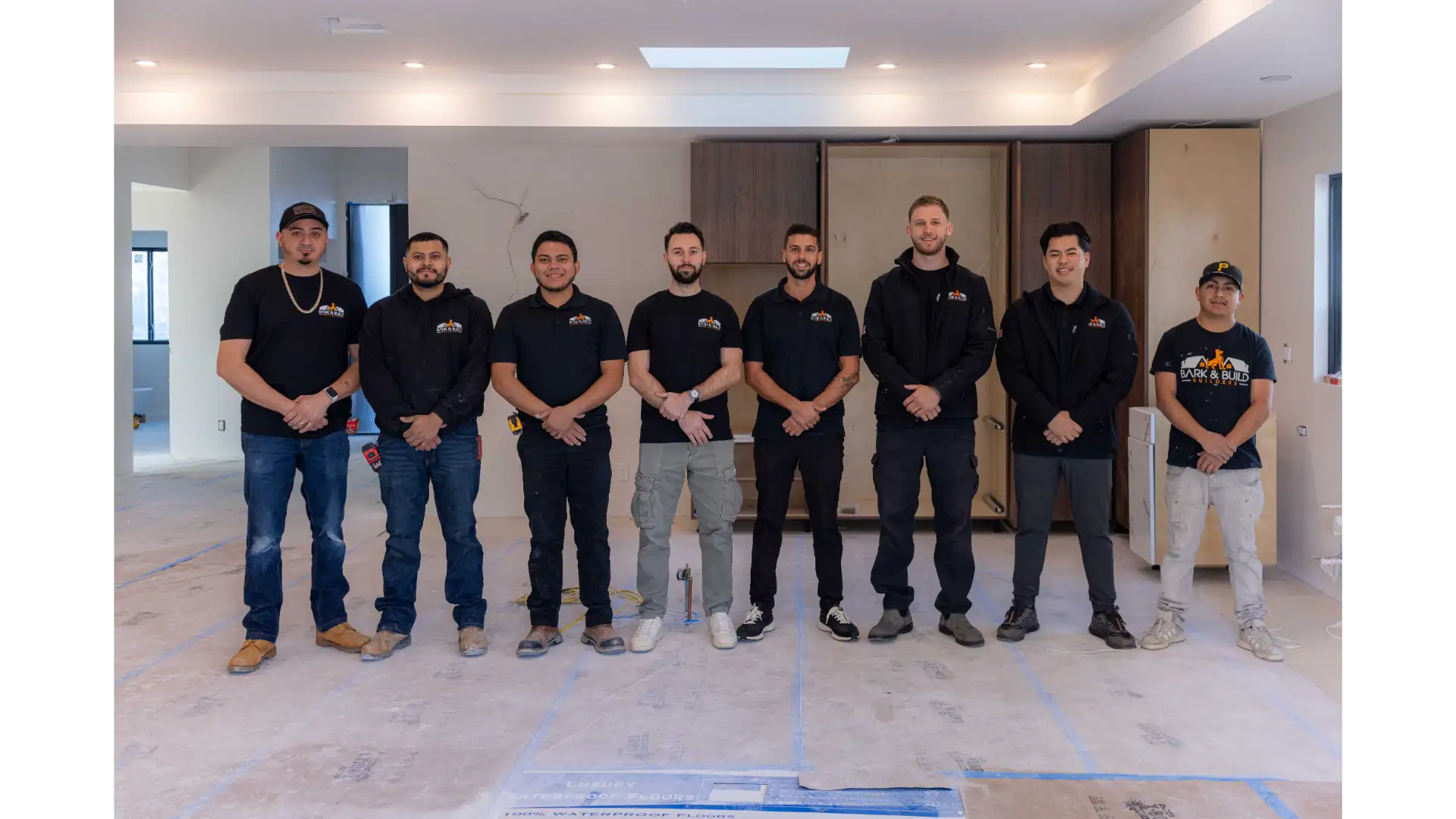
Executive Project Management Team
Our site supervisors, structural engineers, and trade crews operate as a single, tightly coordinated unit. We deploy advanced scheduling software, conduct rigorous daily site audits, and maintain absolute control over subcontractor sequencing. Every phase is managed with corporate-level precision. CSLB License #1119304 — fully bonded and insured.
Our Work
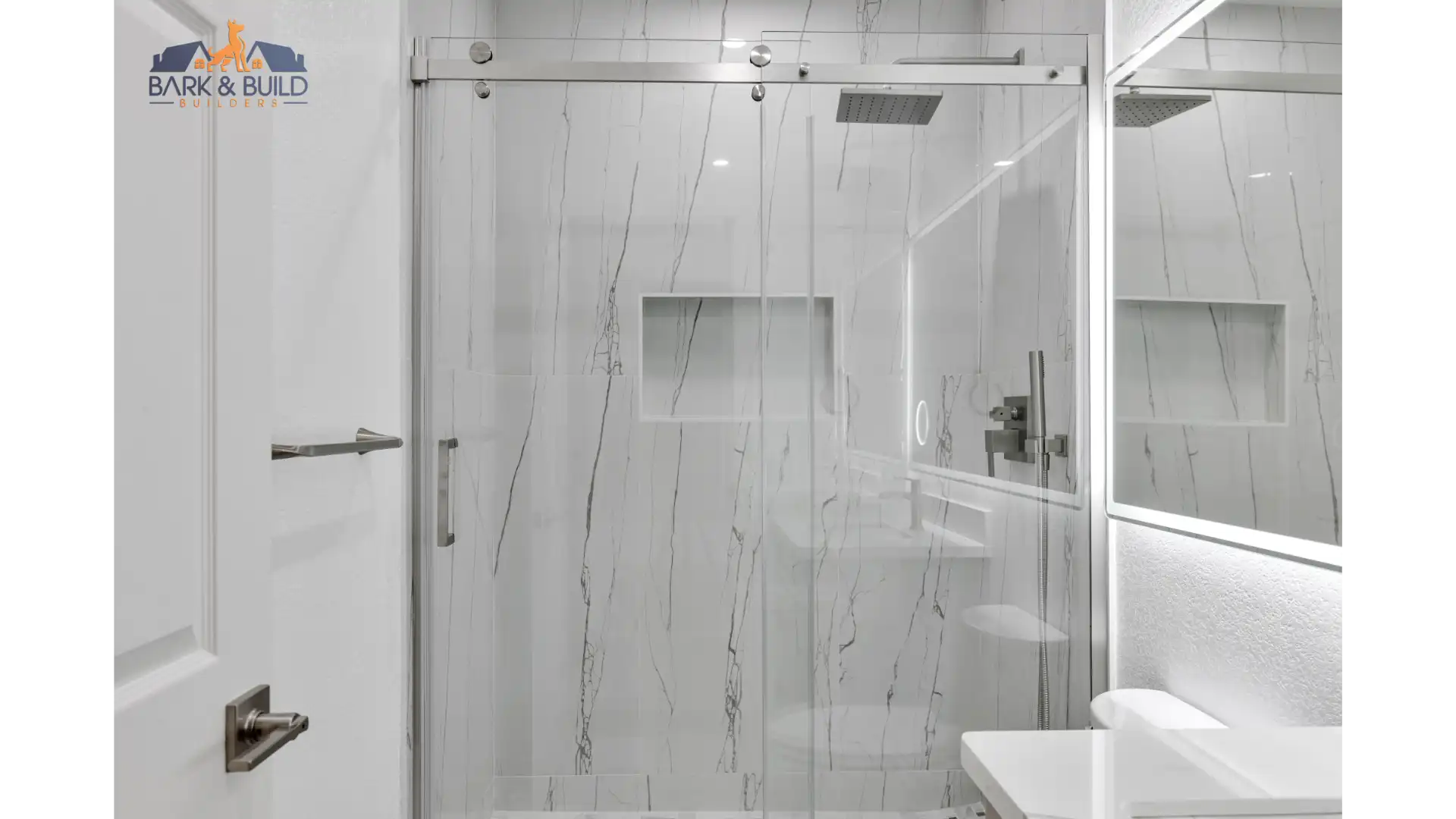
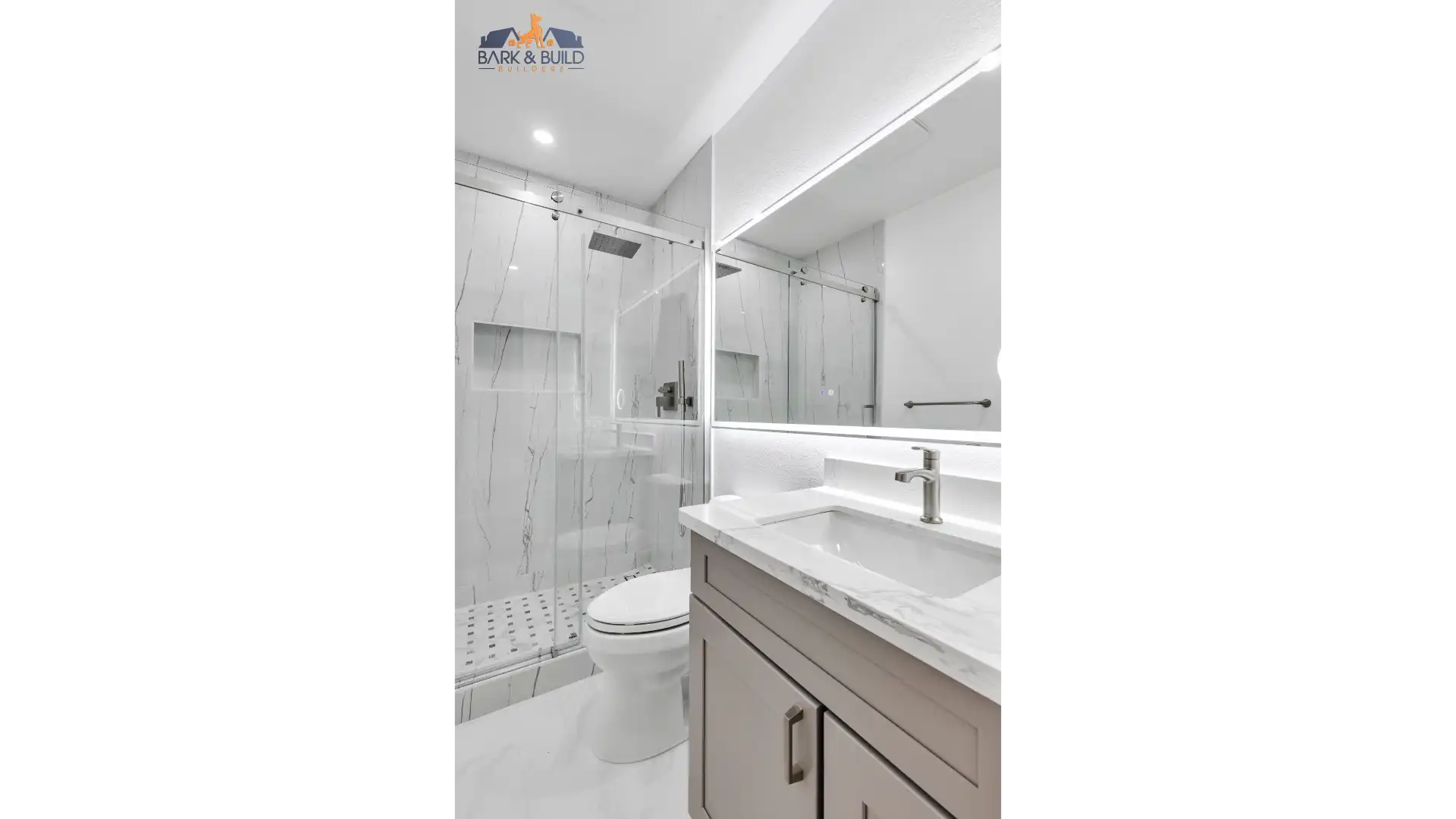
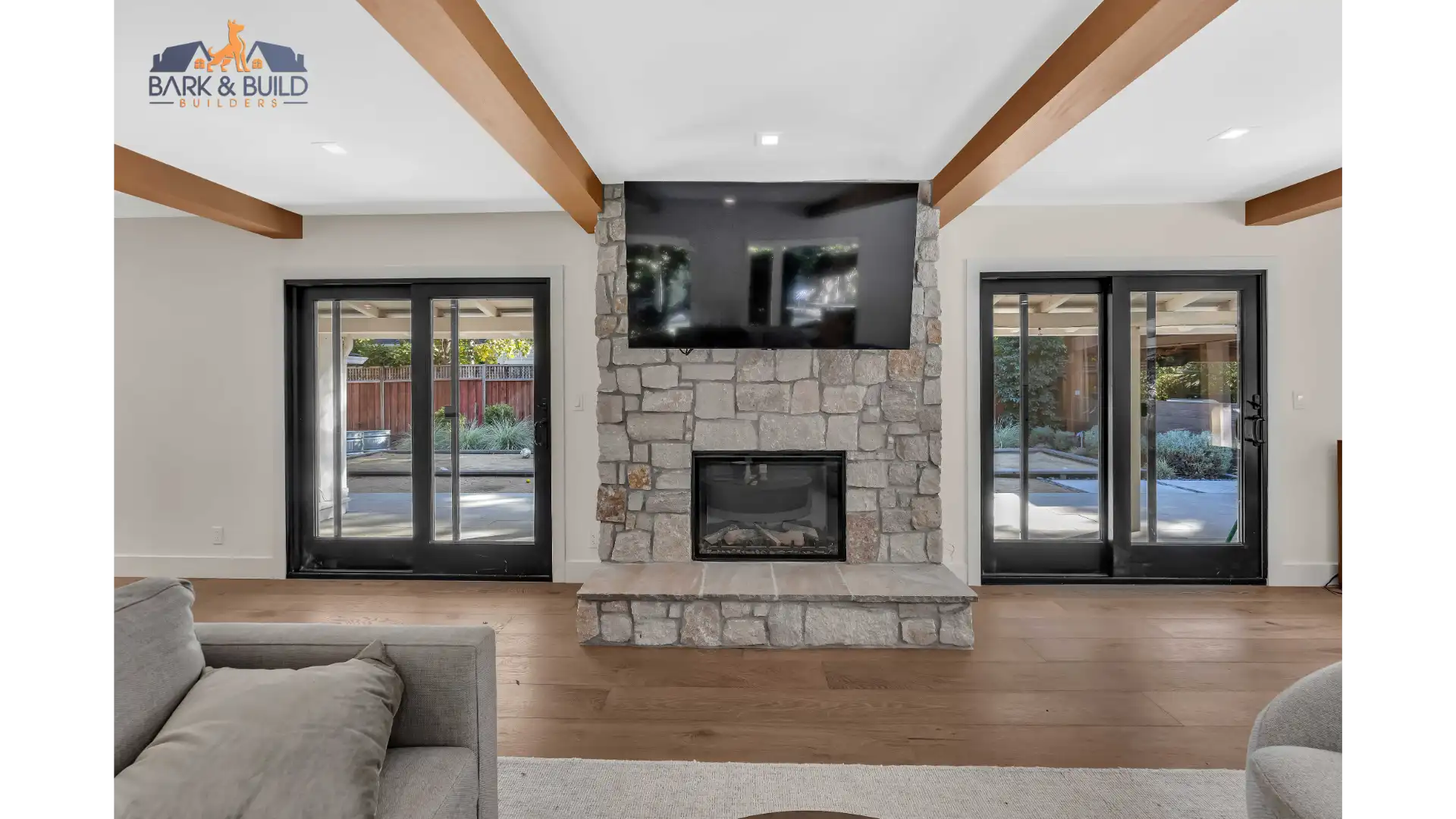
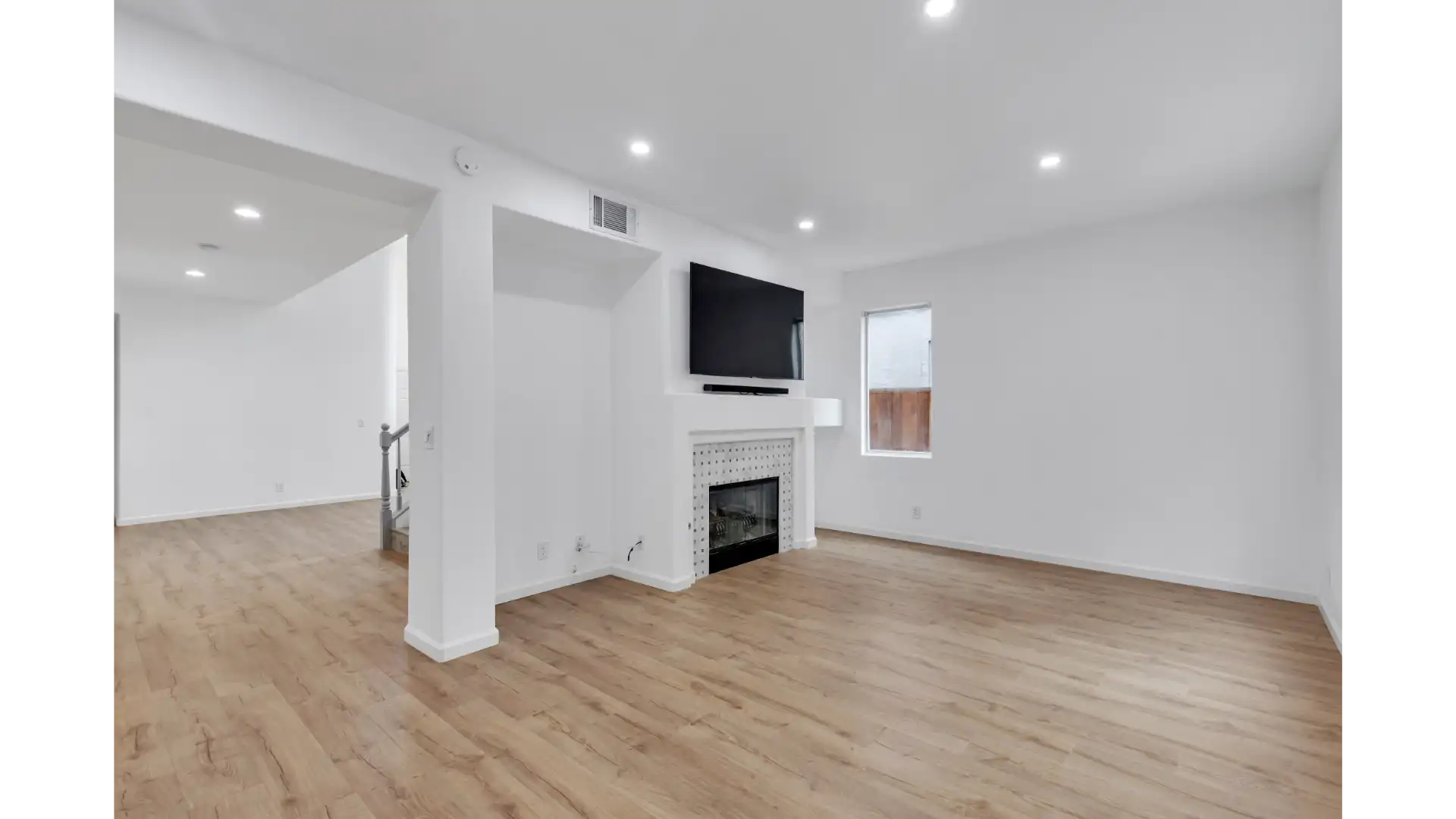
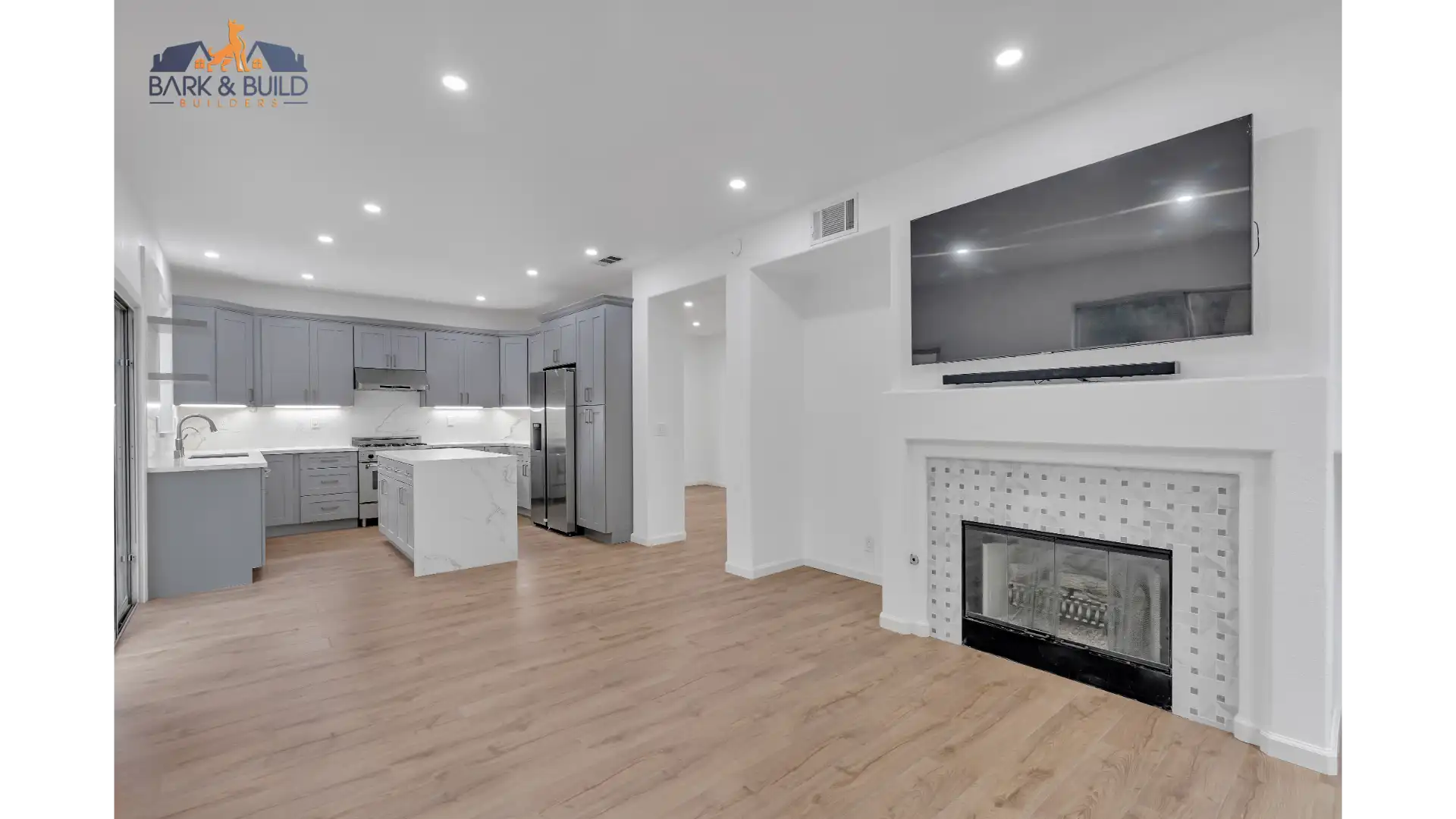
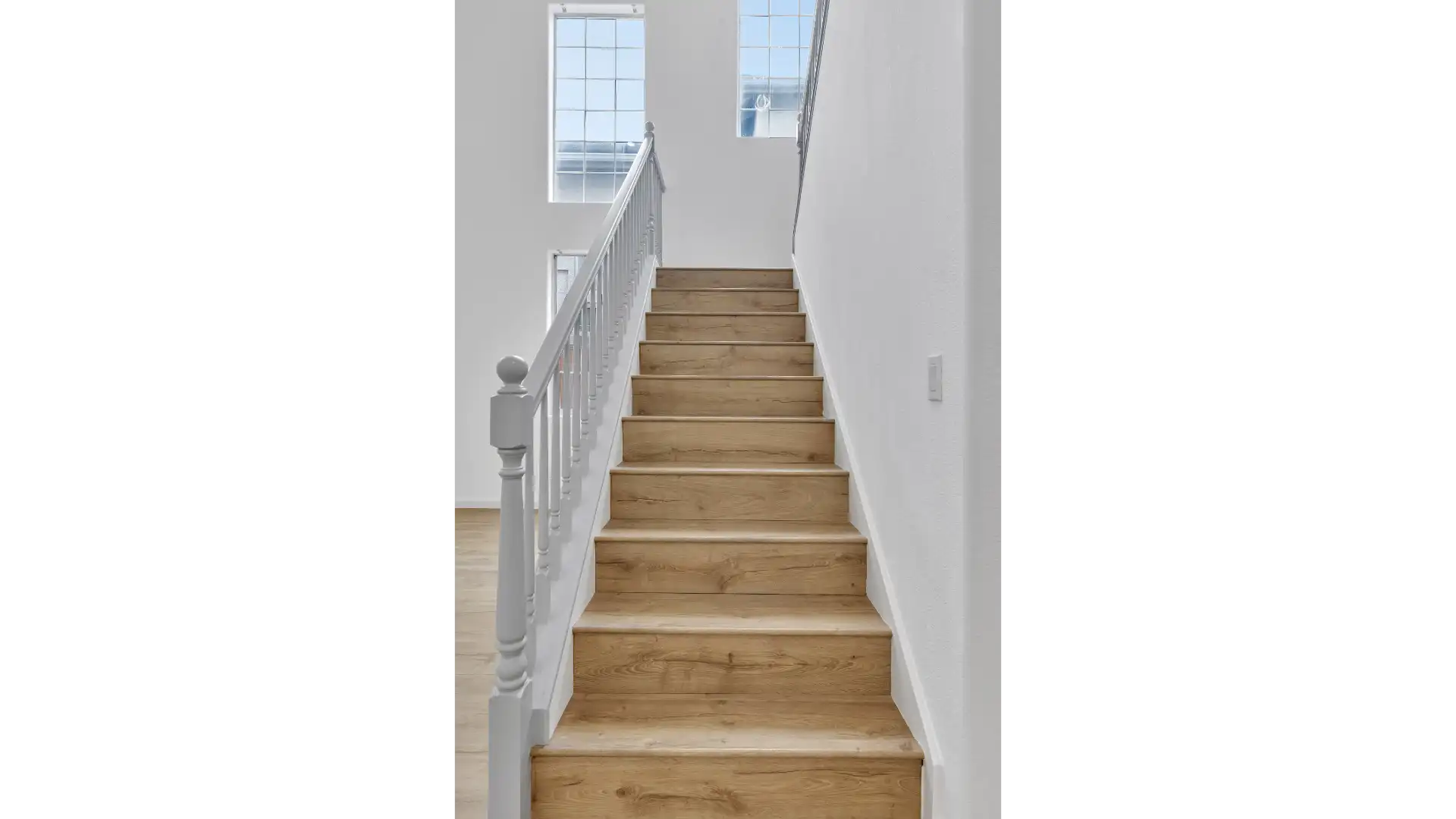

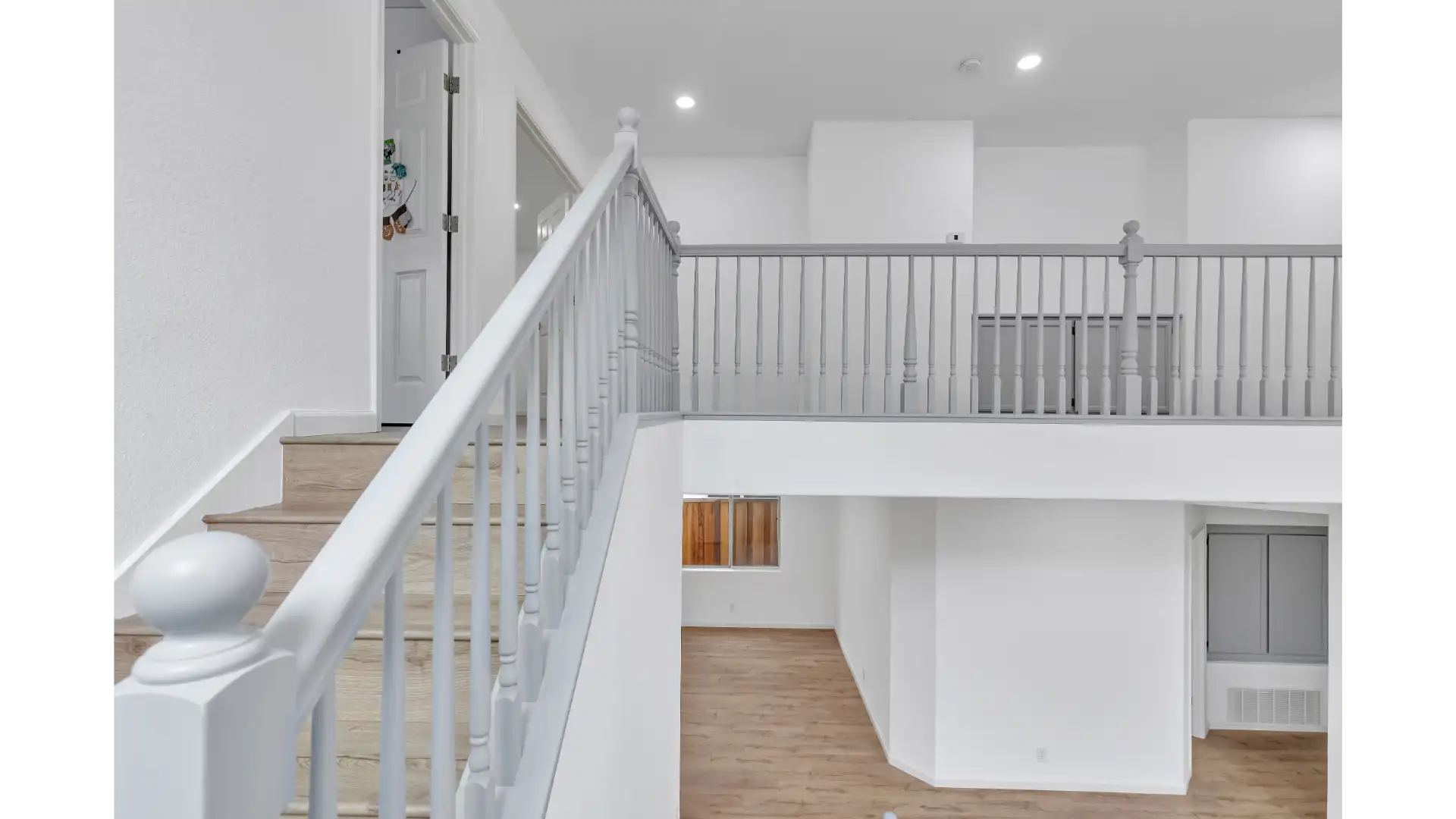
Recent Whole-Home Renovations Across the Peninsula
CSLB License #1119304
Schedule Your Complimentary Project Discovery Session
A whole-home renovation is a monumental undertaking that demands a sophisticated, highly organized construction partner. The stakes are simply too high to trust your multi-million-dollar Peninsula property to a fragmented team. Contact our team today.
Common Questions
FAQ: Whole-Home Remodeling
How much does a whole-home remodel cost in Redwood City per square foot?
The average cost is $300–$500 per square foot for a high-end, down-to-the-studs remodel in Redwood City. Pricing scales aggressively based on the need for foundation underpinning due to Holocene Bay Mud conditions, as well as the tier of custom cabinetry and premium finishes selected. We deploy 3D laser scanning during the feasibility phase to map your existing MEP infrastructure, allowing us to lock in a tight budget before demolition begins.
What is the average ROI of a whole-home remodel when selling in Redwood City?
The average ROI for a comprehensive whole-home remodel in the San Mateo County real estate market is 60% to 75%. Buyers in affluent Peninsula neighborhoods demand move-in-ready estates featuring modern open-concept flow and integrated smart-home ecosystems. By completely replacing aging wiring and plumbing, and adhering strictly to Title 24 decarbonization standards, your remodel drastically increases the property's equity and buyer appeal.
How long does a whole-home remodeling project take to plan and permit?
It takes 12 to 24 weeks to complete the architectural design, structural engineering, and municipal permitting phase. Redwood City's building permit process involves strict zoning overlays, Title 24 energy calculations, and multi-departmental reviews. We actively accelerate this timeline by utilizing the AB 253 California Residential Private Permitting Review Act to hire authorized private plan checkers if municipal reviews stall beyond 30 days.
What warranties do you offer on whole-home remodeling labor and MEP infrastructure?
We provide a 10-year warranty on all structural craftsmanship and a 1-year warranty on all cosmetic finishes. Because a down-to-the-studs build involves completely replaced mechanical, electrical, and plumbing systems, long-term protection is crucial. As a fully bonded Class B General Building Contractor, we also transfer all manufacturer warranties for newly installed heat pump HVAC systems and luxury appliances directly to you.
How do you handle building permits and valuation fees with the Redwood City Building Division?
We handle 100% of the building permits and valuation fee submissions directly with the Redwood City Building Division. Building permit fees for complete renovations are calculated based on gross floor area and specific project valuation thresholds. Our executive project management team coordinates all mandatory as-built drawings, geotechnical soils reports, and structural calculations to ensure your application passes the initial municipal audit.
Will a down-to-the-studs remodel disrupt my daily routine, or can it be phased?
A down-to-the-studs remodel requires you to vacate the property entirely during the 3- to 6-month active construction phase. Phasing a total reconstruction is logistically impossible because the home's primary water, gas, and 320-amp electrical service are entirely disconnected during the rough-in stage. Relocating off-site allows our crews to operate at maximum velocity, ensuring continuous load-path engineering and seismic retrofitting are executed safely.
Do you offer financing or payment plans for a whole-home remodel?
We do not offer in-house financing. Because complete property reconstructions often require capital investments exceeding $500,000, clients typically secure funding through traditional construction-to-permanent loans or home equity lines of credit (HELOCs). We provide an exhaustive, line-item financial prospectus during the pre-construction phase to satisfy your lender's draw schedule requirements, ensuring smooth capital disbursement as we hit major MEP infrastructure milestones.
Do you service historic homes in Mount Carmel and Edgewood Park?
Yes, we execute complete interior property modernizations for historic homes in the Mount Carmel and Edgewood Park neighborhoods. Renovating in these legacy districts requires strict adherence to Redwood City's residential design guidelines to preserve early 20th-century Craftsman and Tudor streetscapes. We expertly navigate Historic Resources Advisory Committee reviews, protecting exterior character while installing massive steel headers to create an open interior footprint.