Loading...
ADU Construction Guide — Redwood City & San Mateo County
Redwood City ADU Construction Guide: 2026 Laws, Costs & ROI
Building an ADU in Redwood City can significantly increase rental income and property value, but only if you design it around 2026 California laws and local permitting rules. This guide breaks down real costs ($400–$600/sqft), permitting timelines, and the design-build approach that consistently outperforms piecemeal planning.
Key Takeaways
What you'll learn in this guide
- Expect $400–$600 per square foot for a properly built Redwood City ADU.
- A typical 600–750 sqft detached unit ranges from $240,000 to $450,000 all-in.
- Permit timelines run 1–3 months; full project 6–13 months end-to-end.
- Rental income averages $2,500–$3,500/month in the Redwood City market.
- California law forces ministerial approval, but Title 24 and seismic codes still apply in full.
- Design-build delivery saves months vs. coordinating separate architect, engineer, and contractor.

ADU 101
What Is an ADU and Why It Matters in Redwood City
An Accessory Dwelling Unit (ADU) is a fully independent residential unit located on the same lot as a primary home. In Redwood City, that could mean a detached backyard cottage, a garage conversion, or a Junior ADU carved from existing square footage.
The reason ADUs matter here is simple: high Bay Area rental demand and limited housing supply create strong income potential — often $2,500 to $3,500 per month depending on size and finish level. The California Department of Housing and Community Development (HCD) sets statewide ADU standards, and cities must comply. That framework limits how restrictive local governments can be — but strict technical requirements still apply in full.
The biggest mistake we see? Homeowners assuming an ADU is "just a small house." It is not. An ADU is a small building — with all the structural, energy, and code obligations that come with that.
Choose Your Path
Comparing the Three ADU Paths
Choosing the right ADU type is the most consequential decision you'll make. Each path has a distinct cost profile, timeline, and income ceiling.
Junior ADU (JADU)
$80k – $160k
Up to 500 sqft carved from the existing residence. May share a bathroom with the main home. Lowest cost, fastest build, lowest income ceiling.
- Size ≤ 500 sqft
- Build time 3–5 months
- Resale impact Modest
- Best for Family / office
Garage Conversion
$120k – $220k
Reuses existing structure but typically requires slab moisture barriers, new insulation, plumbing, and fire-rated separation. Mid-range cost, mid-range income.
- Size 250–500 sqft
- Build time 4–7 months
- Resale impact Moderate
- Best for Faster build
Detached ADU
$240k – $600k+
Standalone structure separate from the main house. Most privacy, highest rental income, highest resale impact — and the highest construction cost.
- Size 500–1,200 sqft
- Build time 6–10 months
- Resale impact Highest
- Best for Max ROI
Common Mistakes
Three Warning Signs Before Construction Even Begins
In our experience, these red flags signal trouble months before any concrete is poured: plans drawn without a Title 24 energy model, no soils or foundation review in seismic zones near the San Andreas Fault, and assuming a garage conversion sidesteps structural upgrades.
Detached ADUs typically allow more privacy and higher rental income. Garage conversions reduce foundation costs but often require slab moisture testing, upgraded insulation (R-21 walls, R-38 ceilings), and fire separation assemblies using 5/8-inch Type X drywall.
Real-World Example
One client purchased architectural plans online for a 750 sqft detached ADU. The drawings lacked shear wall calculations and specified standard anchor bolts instead of the 5/8-inch bolts with proper embedment depth required for seismic resistance. Redwood City plan check flagged it immediately. We reworked the structural set, added Simpson Strong-Tie hold-downs, recalculated load paths, and coordinated updated engineering — corrections that prevented failed inspections and significant liability.
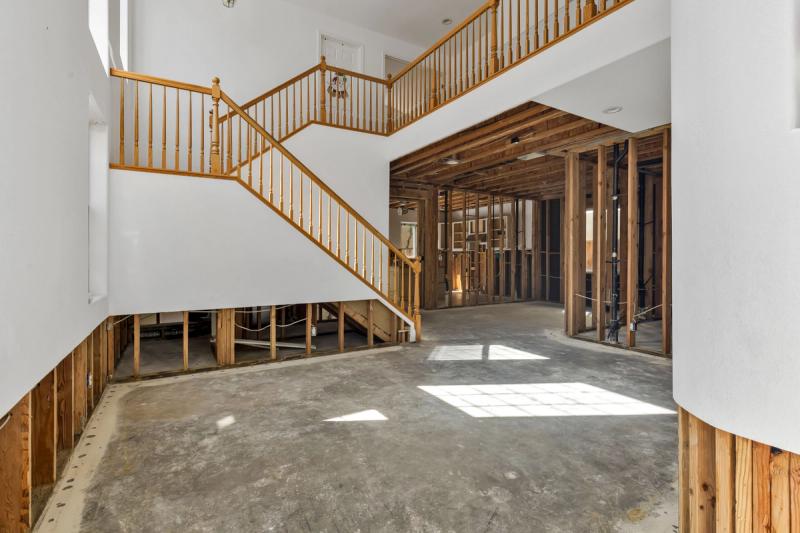
An ADU is not a small house. It's a small building — with all the structural, energy, and code obligations that come with that.Bark & Build Builders — CSLB #1119304
2026 Regulatory Update
Redwood City ADU Laws, Permits & Code Requirements
Redwood City sits in a high seismic region near the San Andreas Fault. The city enforces California's statewide housing mandates while applying local zoning standards. Inspectors are currently focused on seismic anchoring, Title 24 energy documentation, and clear adherence to state ADU streamlining laws.
What Inspectors Are Enforcing Now
The Six Frameworks Governing Your Build
State Law
CA Government Code §65852.2
Mandates ministerial approval of qualifying ADUs and limits how restrictive local governments can be.
Building Code
2022 California Building Standards Code (Title 24)
Covers structural, fire, plumbing, mechanical, and energy provisions across the entire build.
Energy
CA Energy Code (Title 24, Part 6)
Requires energy modeling, high-performance insulation, efficient HVAC (typically heat pumps), and solar readiness.
Local Zoning
Redwood City Municipal Code
Governs lot coverage, height limits, and setbacks specific to your zoning district.
Lot Splits
California Senate Bill 9 (SB 9)
Allows lot splits and additional units in certain single-family zones, expanding what's possible on your parcel.
2026 Update
2026 ADU Streamlining Amendments
Further reduces permitting friction, including faster preliminary review windows and clearer impact-fee exemptions.
Our Process
The Compliance Playbook We Run on Every Project
Step 1
Confirm Zoning & Parcel Eligibility
Before drawings start, verify lot coverage limits, height restrictions, setback rules, and SB 9 eligibility specific to your address.
Step 2
Engage Structural Engineering Early
Seismic detailing, shear wall calculations, and foundation design must be coordinated from day one — not bolted on at permit revision.
Step 3
Complete Title 24 Energy Modeling
HVAC sizing, insulation values, and fenestration must be modeled and documented before submission to avoid plan-check rejections.
Step 4
Submit a Coordinated Plan Set
Architectural, structural, mechanical, electrical, and plumbing reviewed together. Mismatches are the #1 cause of revisions.
Real Numbers
What Actually Drives Cost
Redwood City ADU construction typically falls between $400 and $600 per square foot depending on finishes, structural complexity, and utility upgrades. A 600-square-foot detached ADU may range from $240,000 to $360,000. Garage conversions can cost less, but electrical panel upgrades, sewer lateral work, or slab corrections often narrow the gap.
Three primary variables push budgets up or down: site complexity (slope, soil, equipment access), material selection (windows, cabinetry, HVAC, roofing), and total scope (detached vs. conversion, solar integration, finish tier).
Sample 700 sqft Detached ADU — Cost Breakdown
Design, engineering & Title 24$18k – $28k
Permits, school & impact fees$6k – $15k
Site work, foundation, excavation$35k – $55k
Framing, roofing, weatherproofing$60k – $90k
MEP rough-in$45k – $70k
Insulation, drywall, finishes$55k – $85k
Cabinetry, appliances, fixtures$25k – $45k
Utility connections & panel upgrade$15k – $30k
Landscaping & final grading$10k – $25k
All-in Total$269k – $443k
Realistic Timeline
From Feasibility to Final Inspection
Phase 1 — 1 to 2 Months
Feasibility & Design
Lot analysis, schematic design, structural concept, and Title 24 energy modeling. The foundation for everything that follows.
Phase 2 — 1 to 3 Months
Permit Review
Plan check, revisions, and approval. Clean submissions process faster — coordinated plan sets routinely cut weeks off this phase.
Phase 3 — 4 to 8 Months
Construction
Site work, framing, MEP, finishes, inspections, and final certificate of occupancy. Detached units sit at the longer end; conversions move faster.
The Long-Term ROI Picture
What Your Investment Actually Returns
Sample ROI Snapshot
700 sqft detached ADU rented at Redwood City market rate
Build Cost
$340k
Monthly Rent
$3,000
Annual Income
$36k
Property Value Lift
~$250k+
Bay Area homeowners typically see meaningful equity gains alongside rental income. Even after financing and maintenance, the long-term math favors well-designed ADUs.
CSLB License #1119304
Thinking About Building an ADU on Your Lot?
If you're evaluating rental income, multigenerational housing, or long-term resale value, the right planning makes the difference between a smooth approval and months of redesign. We coordinate zoning analysis, engineering, energy compliance, and construction under one roof — so you're not managing separate consultants.
Common Questions
Frequently Asked Questions About Redwood City ADUs
Do I need a permit for an ADU in Redwood City?
Yes. All ADUs in Redwood City require building permits, even garage conversions or Junior ADUs. The city reviews plans for compliance with California Government Code §65852.2, local zoning regulations, and Title 24. Redwood City processes qualifying ADUs ministerially, meaning the city cannot require discretionary hearings if the project meets objective standards. Permit fees vary based on square footage and scope, and school impact fees may apply for units over 750 square feet.
What's the difference between a detached ADU, garage conversion, and Junior ADU?
A detached ADU is a standalone structure separate from the main house — most privacy, highest rental income, highest cost. A garage conversion reuses existing structure but often requires slab moisture barriers, insulation, new plumbing, and fire-rated separation. A Junior ADU (JADU) is limited to 500 square feet within the existing residence, may share a bathroom, and costs less but generates lower rental income.
How long does Redwood City ADU construction usually take and what does it cost?
Design takes 1–2 months, permitting runs 1–3 months, and construction takes 4–8 months. Costs range from $400–$600 per square foot. A 700 sqft unit typically costs $280,000–$420,000 depending on scope, site complexity, materials, and finishes.
Can I build an ADU myself or should I hire professionals?
California allows owner-builders, but you must coordinate architectural plans, structural engineering, Title 24 energy modeling, and inspections. Most homeowners underestimate the coordination required. Professional oversight reduces failed inspections, scheduling conflicts, and costly corrections — and protects you from liability if something goes wrong years later.
What maintenance should I plan for after building an ADU?
Annual HVAC servicing, roof inspections, exterior paint maintenance, gutter cleaning, and checking caulking around windows. Durable materials like fiber cement siding and standing-seam metal roofing reduce long-term costs significantly.
What common ADU challenges do homeowners face in Redwood City?
Seismic compliance (high earthquake risk zone), utility connection surprises (sewer lateral upgrades, electrical panel replacements), and parking assumptions. Addressing these early during feasibility planning prevents expensive redesigns once drawings are already underway.
What should I look for when hiring an ADU contractor?
Valid California contractor's license, general liability and workers' comp insurance, demonstrated experience with Title 24 compliance and structural engineering, completed ADU projects (not just kitchen remodels), and familiarity with Redwood City's specific permitting workflow. Ask to walk a finished project before signing.
What signs suggest I should schedule an ADU feasibility review?
If you're unsure about setbacks, lot coverage, utility capacity, zoning eligibility under SB 9, or Junior ADU options — a feasibility review pays for itself many times over. Early evaluation prevents investing in drawings that later require revision.