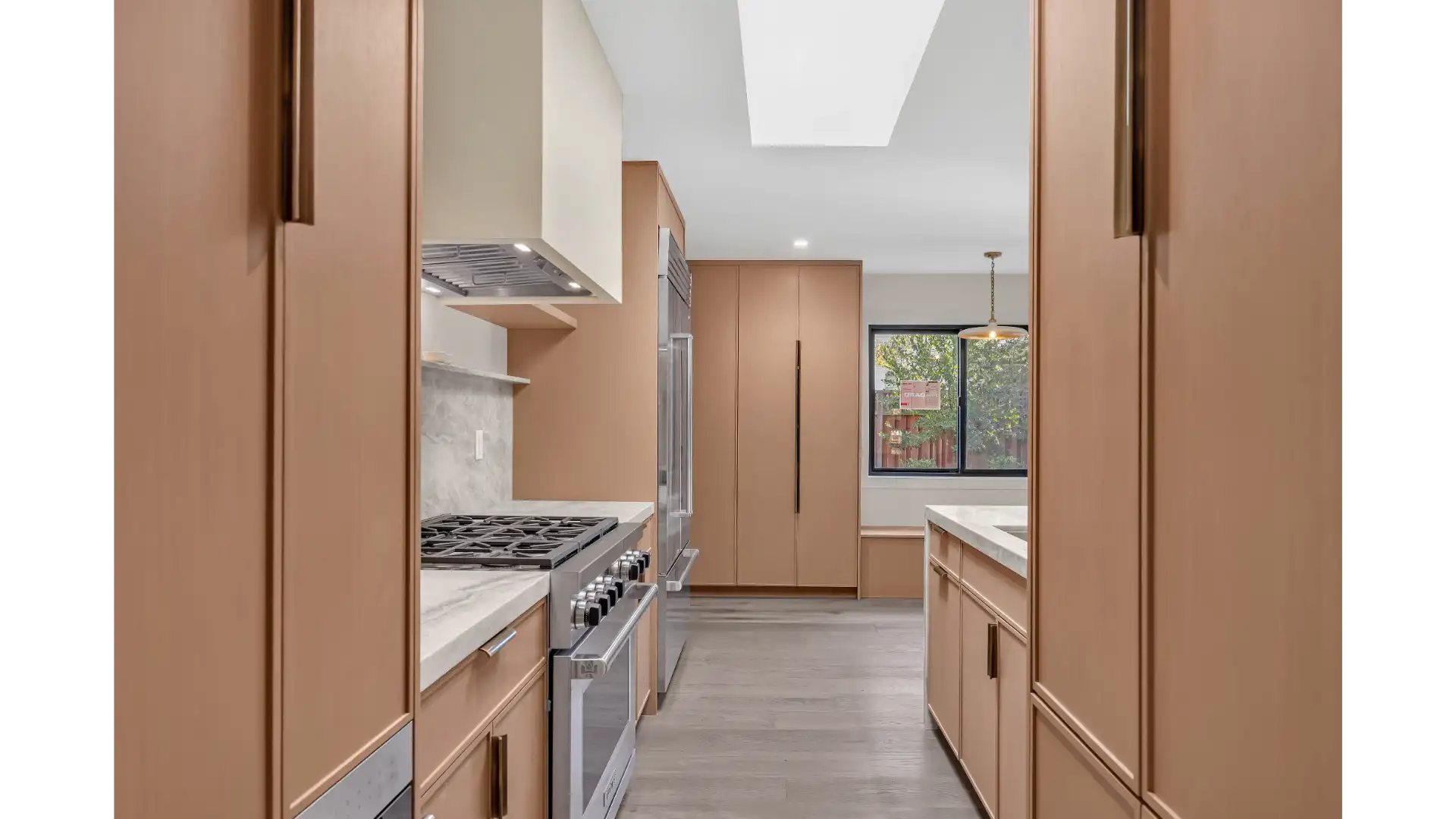
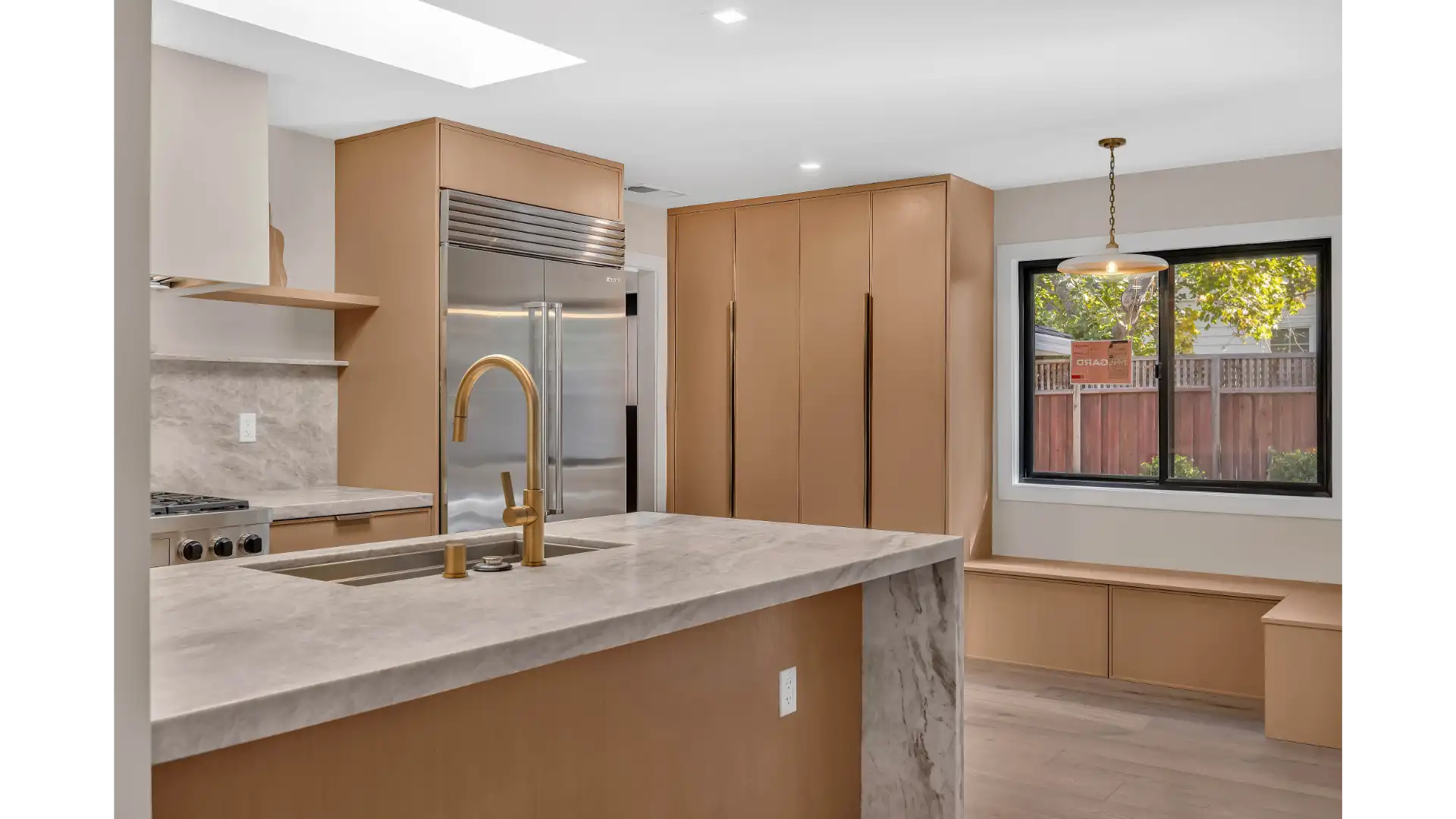
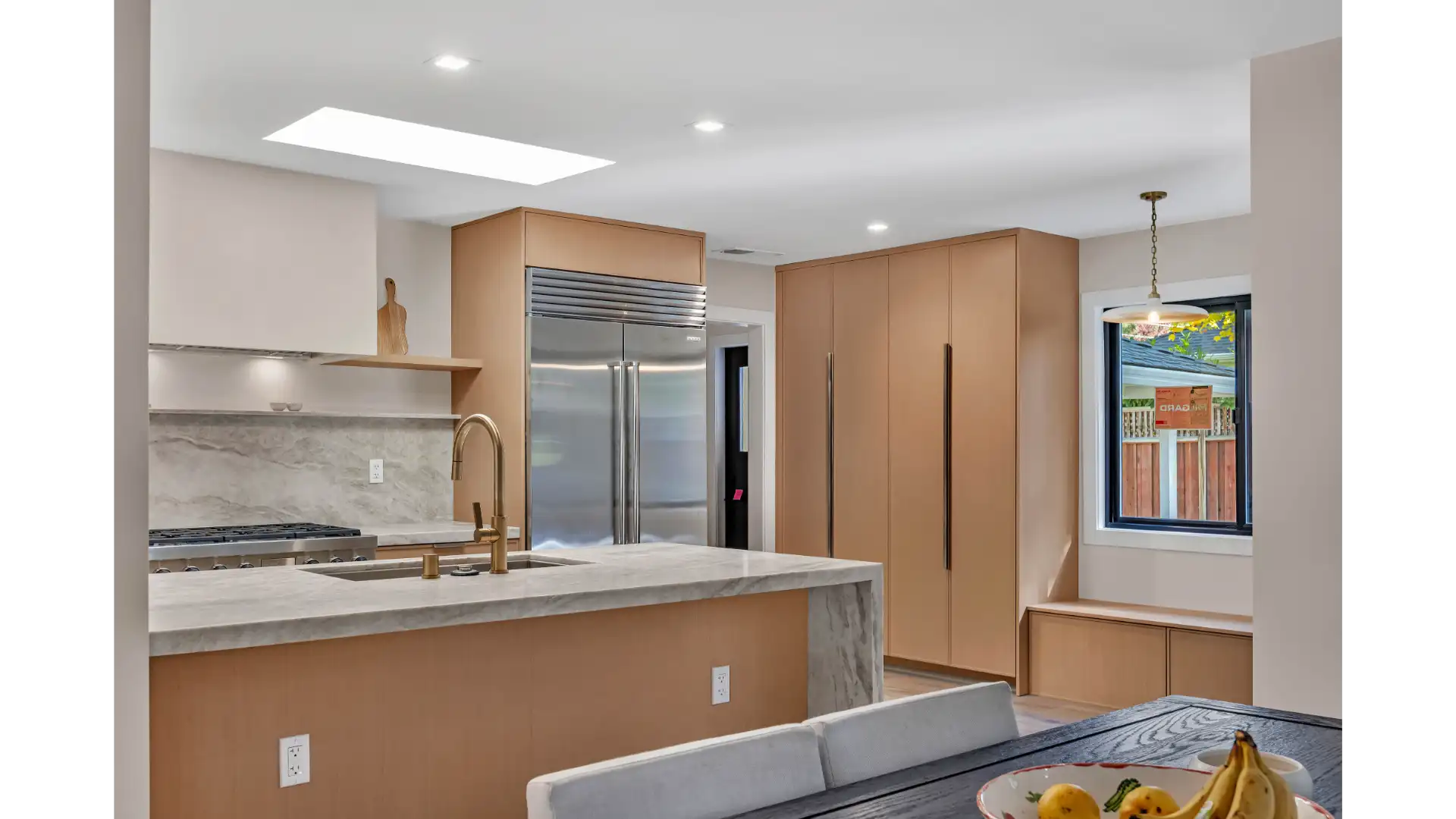
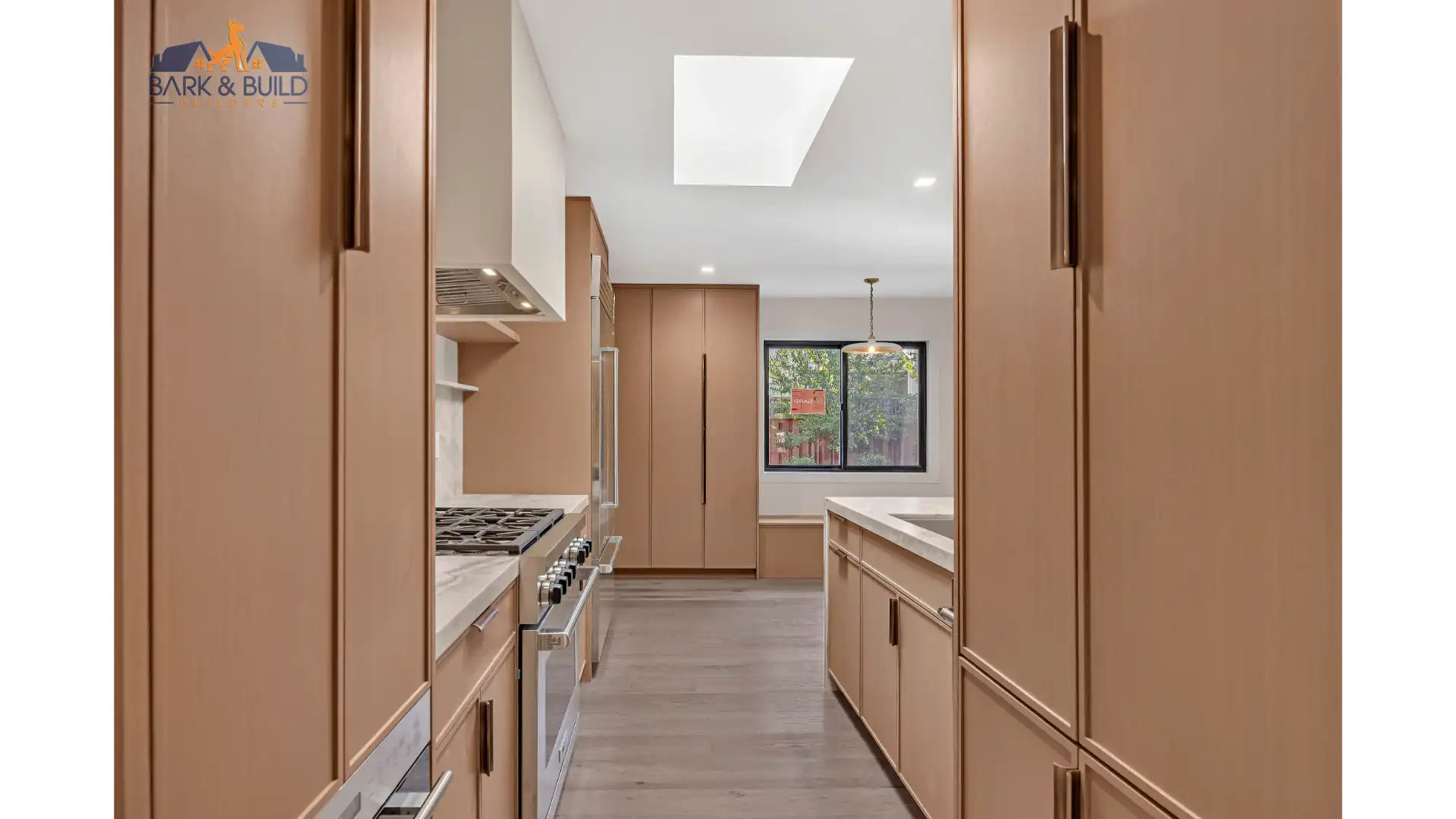
Introduction
Quartz vs Granite Countertops in Redwood City — which one actually performs better in your kitchen, and what does that choice affect long term? At Bark and Build Builders, we've helped homeowners weigh this decision for years of experience, and we've seen how the right surface can improve daily use, resale value, and long-term maintenance. Choose poorly, and the consequences show up fast. In one Redwood City, CA home near the bay, a homeowner selected a material based only on color. Within a year, etching and staining led to costly resurfacing. Countertops aren't just design features; they're structural surfaces tied into cabinets, plumbing cutouts, and appliance clearances. If you're planning a broader kitchen remodel in Redwood City, CA, this comparison will help you avoid expensive mistakes and choose a surface that fits your lifestyle.
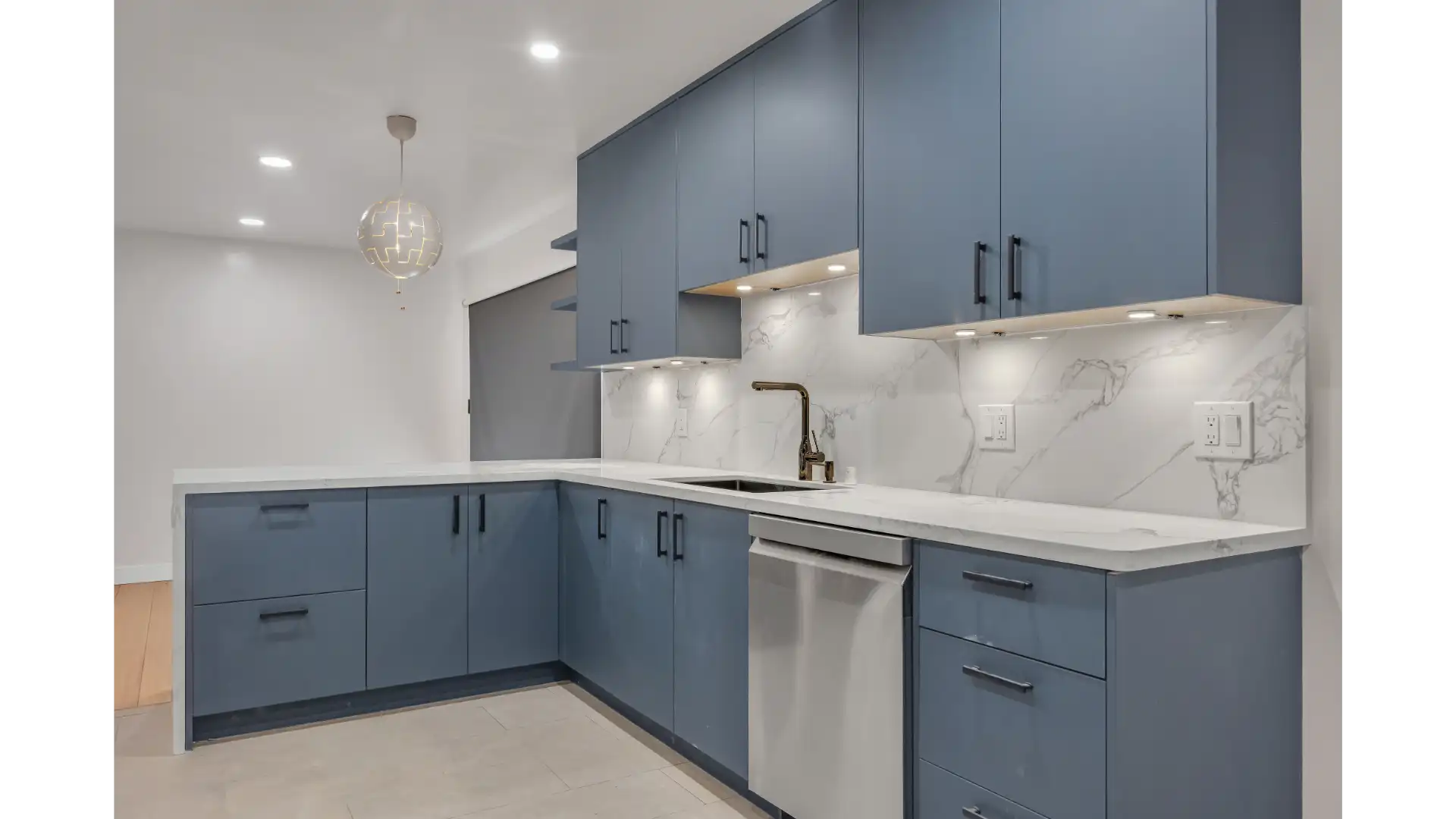
Quartz countertops are engineered stone surfaces made from roughly 90–93% crushed natural quartz bound with polymer resins and pigments. Manufacturers like Caesarstone and Silestone use vibrocompression and vacuum curing to create dense, non-porous slabs that resist staining and bacterial growth. Because the material is non-porous, it does not require sealing.
In our experience, quartz performs exceptionally well in busy kitchens. A client once chose a light-colored quartz for a family home with three young kids. Spills from tomato sauce and turmeric wiped clean with a pH-neutral cleaner, and the surface showed no absorption. That reliability comes from its low water absorption rate — often below 0.05% — which aligns with standards tested by the NSF International for food-contact safety.
However, quartz has limitations. The resin binders can discolor under sustained high heat. We always recommend using trivets for pots above 300°F. During installation, we use CNC-fabricated cutouts for sinks and cooktops, reinforce long spans with steel or fiberglass rods, and set slabs in a level plane using laser leveling tools to prevent stress cracking.
Quartz works best for homeowners who want consistent color, minimal maintenance, and a contemporary aesthetic. In countertop installation in Redwood City, CA, we often suggest quartz for homes near the bay, where humidity and frequent cooking demand a low-maintenance surface. The primary risk of neglecting proper installation is seam failure or cracking around sink cutouts, which can compromise cabinetry below and lead to costly water damage.
Granite Countertops in Redwood City: Natural Stone Done Right
Best Practices, Standards, and What Quality Installation Looks Like
Granite demands precision from selection to sealing. The most important best practices start with proper slab inspection, moisture testing, and structural support. Unlike quartz, granite is 100% natural stone, quarried in large blocks and cut into slabs, each with unique veining and mineral composition.
Granite is porous. That means sealing is not optional. The Marble Institute of America — now the Natural Stone Institute — publishes installation standards requiring proper substrate support and sealing schedules. We follow their guidelines for slab thickness (typically 2cm or 3cm), seam placement, and minimum overhang support.
Excellent granite installation includes:
- Moisture-resistant plywood sub-decking secured to cabinets
- Epoxy seam adhesives color-matched to the slab
- Mechanical support brackets for overhangs beyond 10–12 inches
- Penetrating sealers reapplied every 1–3 years depending on usage
We've seen what happens when corners are cut. In one Redwood City, CA kitchen, the prior installer skipped proper sealing. Cooking oils penetrated around the sink cutout, darkening the stone permanently. Correcting it required poultice treatments and partial slab replacement.
Granite excels in heat resistance and natural beauty. You can place a hot pan briefly without damaging the surface, and each slab is unique. It suits homeowners who value organic variation and are willing to maintain it. When installed correctly and maintained, granite can last decades. When ignored, staining and bacterial intrusion through unsealed pores become real risks, affecting hygiene and resale value.
Side-by-Side Comparison and Decision Guide
Performance, Cost, and Best-Fit Scenarios for Redwood City Homes
When comparing Quartz vs Granite Countertops in Redwood City, the right choice depends on how you cook, clean, and use your kitchen daily. We walk clients through performance, maintenance, and budget before finalizing slab selection.
| Criteria | Quartz | Granite |
|---|
| Composition | Engineered stone with resins | 100% natural quarried stone |
| Maintenance | No sealing required | Requires periodic sealing |
| Heat Resistance | Moderate; use trivets | High; tolerates brief direct heat |
| Stain Resistance | Very high (non-porous) | Good if properly sealed |
| Appearance | Consistent patterns | Unique natural variation |
| Typical Cost Installed | $80 – $150 per sq. ft. | $70 – $160 per sq. ft. |
Installation typically takes 1–2 days after templating, with fabrication lead times of 1–3 weeks depending on slab availability. Pricing may range widely based on:
- Site complexity and cabinet leveling
- Material costs and slab rarity
- Total project scope including backsplashes and edge profiles
These figures are preliminary benchmarks for informational purposes only and do not constitute a binding quote. An on-site evaluation is required for a final proposal.
Which should you choose?
- Choose quartz if you want minimal upkeep and a consistent, modern look.
- Choose granite if you value natural uniqueness and high heat tolerance.
- If resale appeal is a priority in Redwood City, CA, both perform well — condition and installation quality matter more than material.
One homeowner initially leaned toward granite for aesthetics but switched to quartz after realizing they rarely wanted to reseal surfaces. Matching material to lifestyle prevented future frustration.